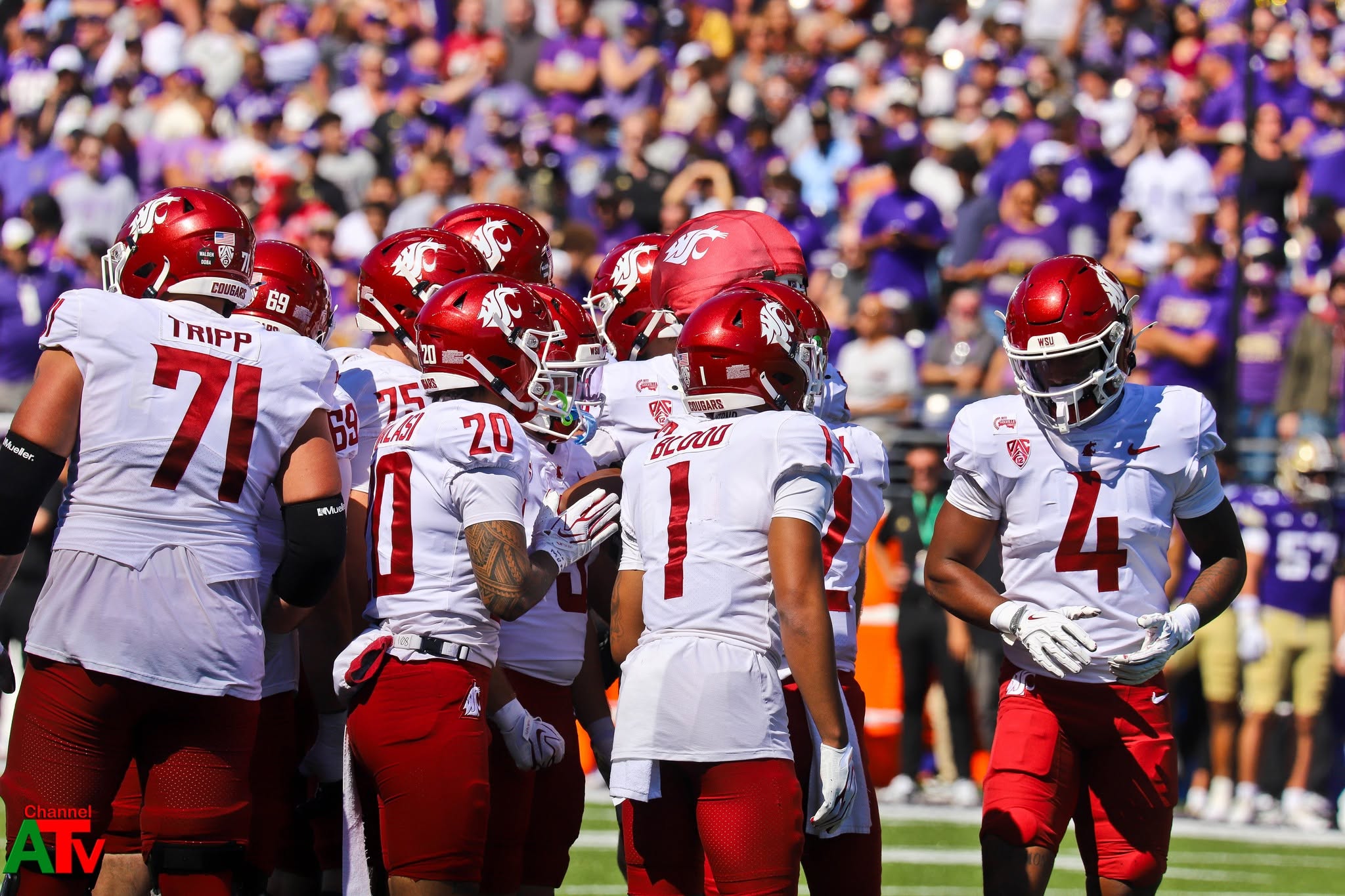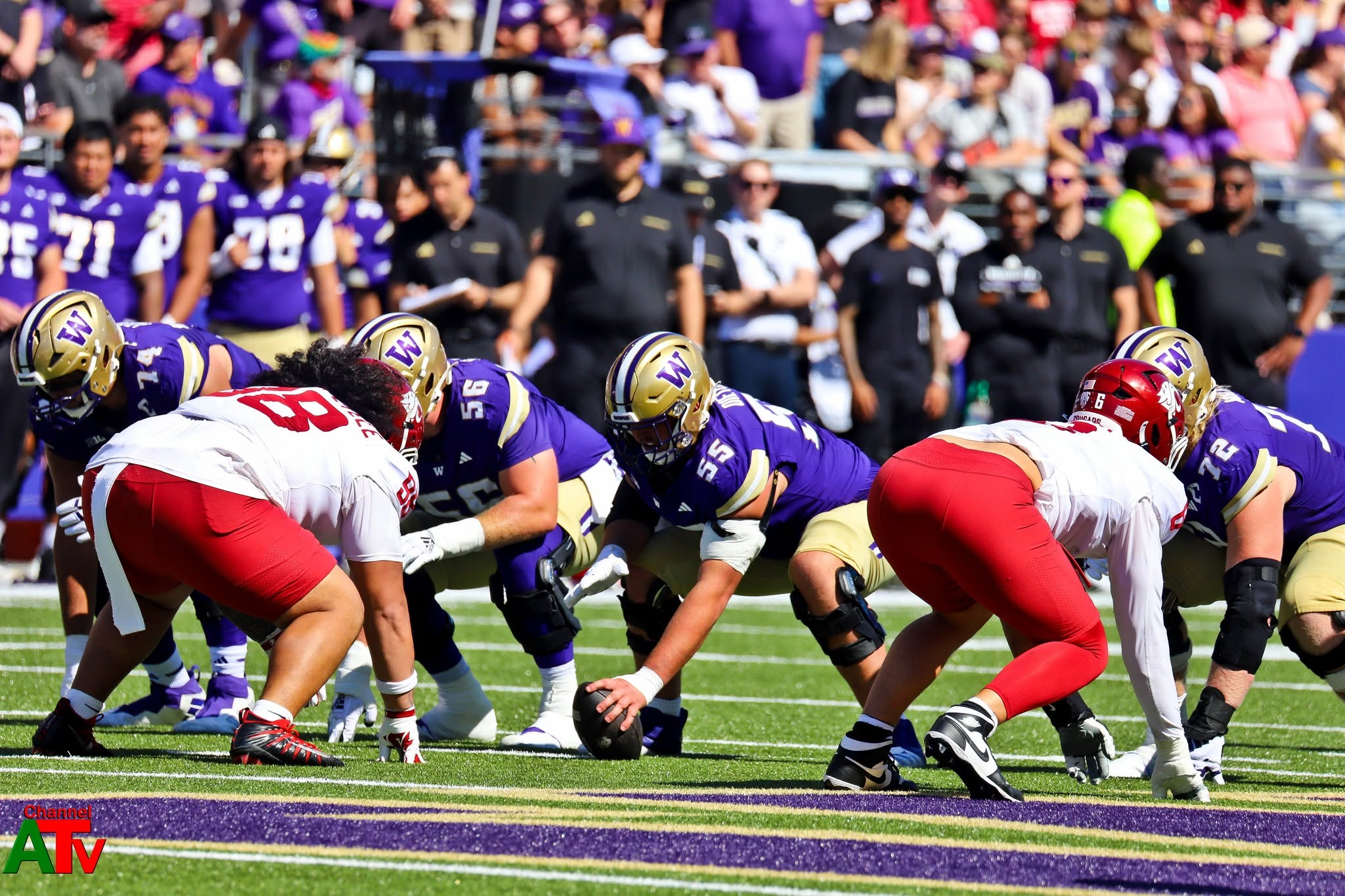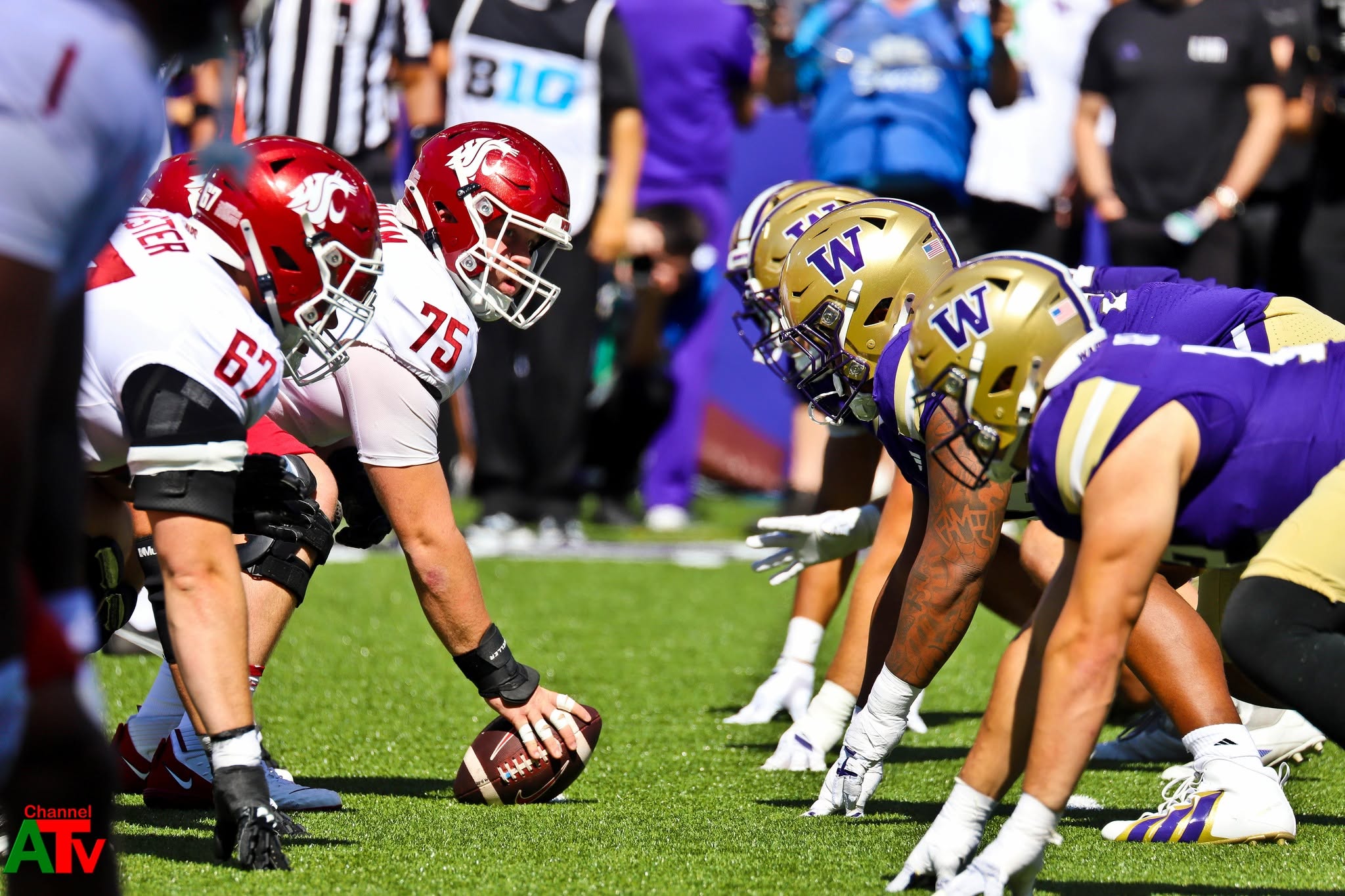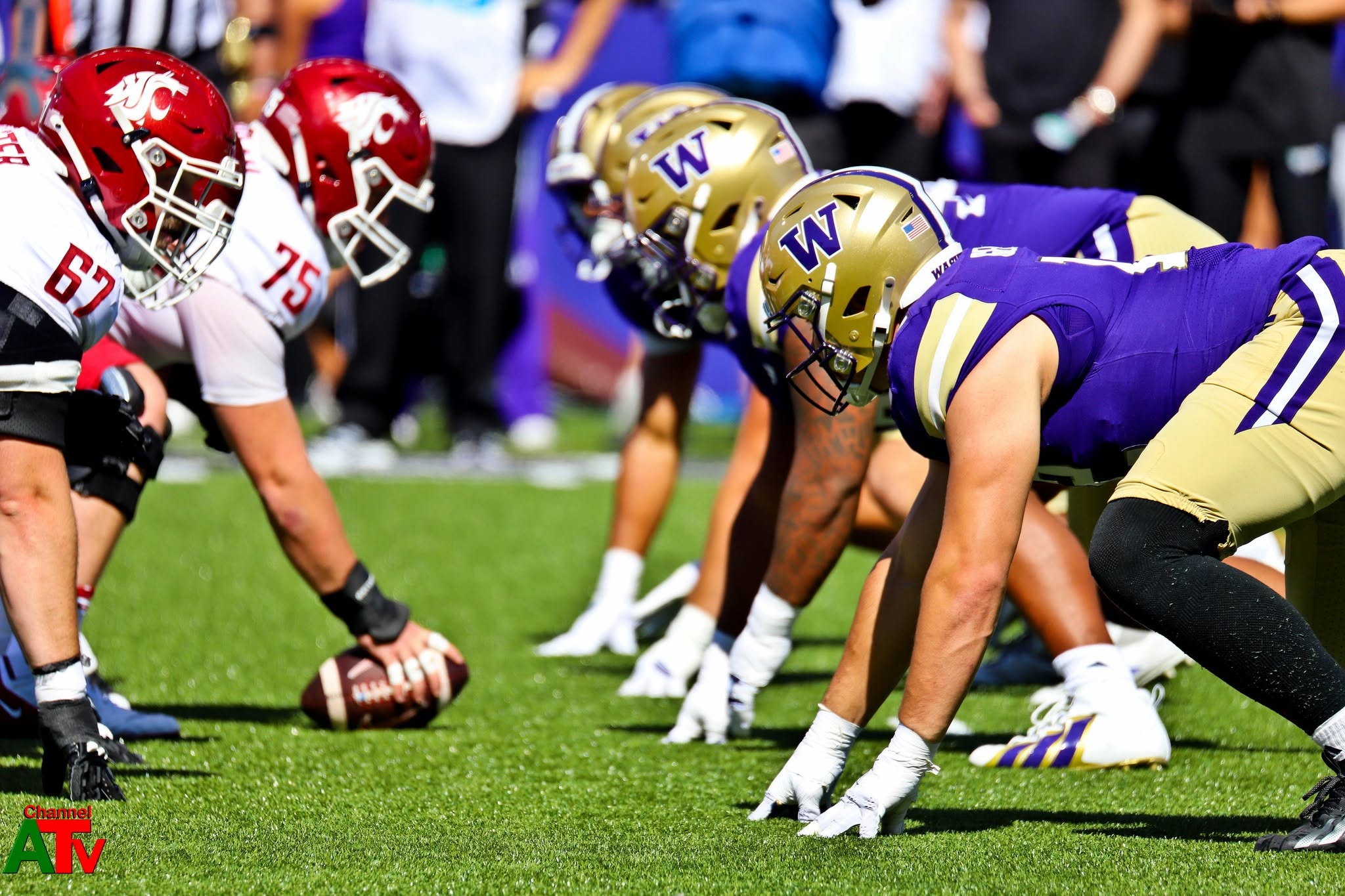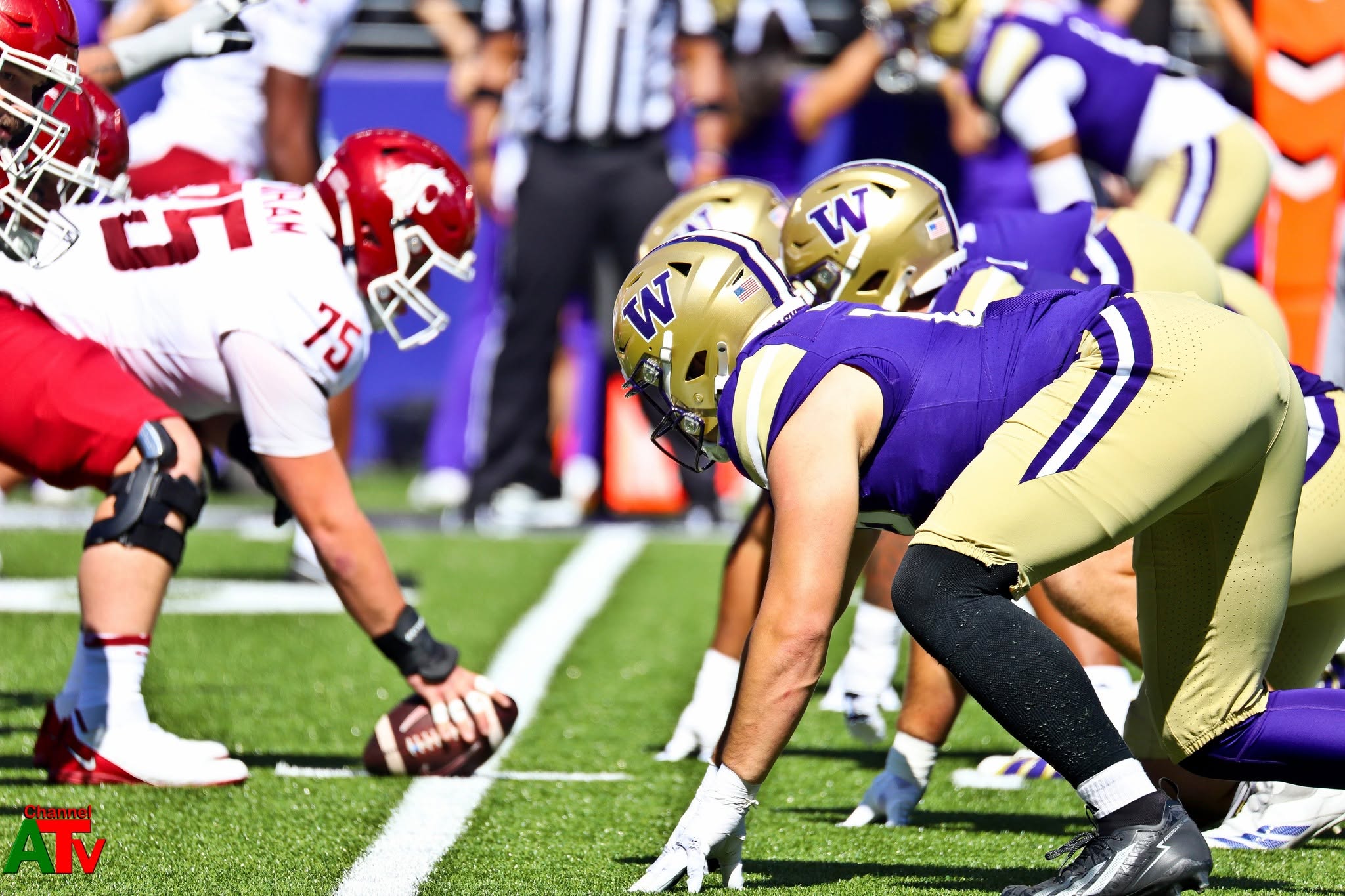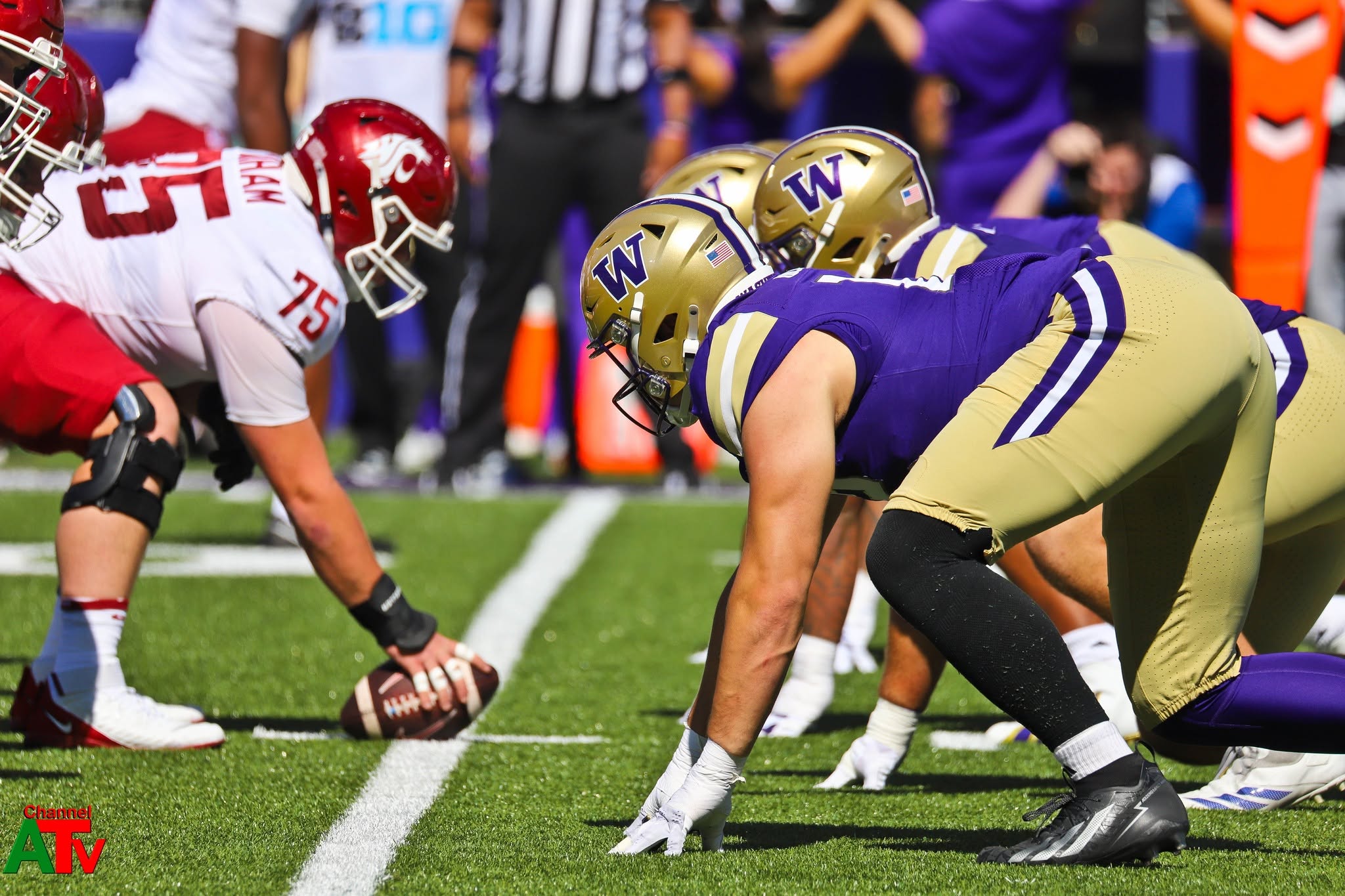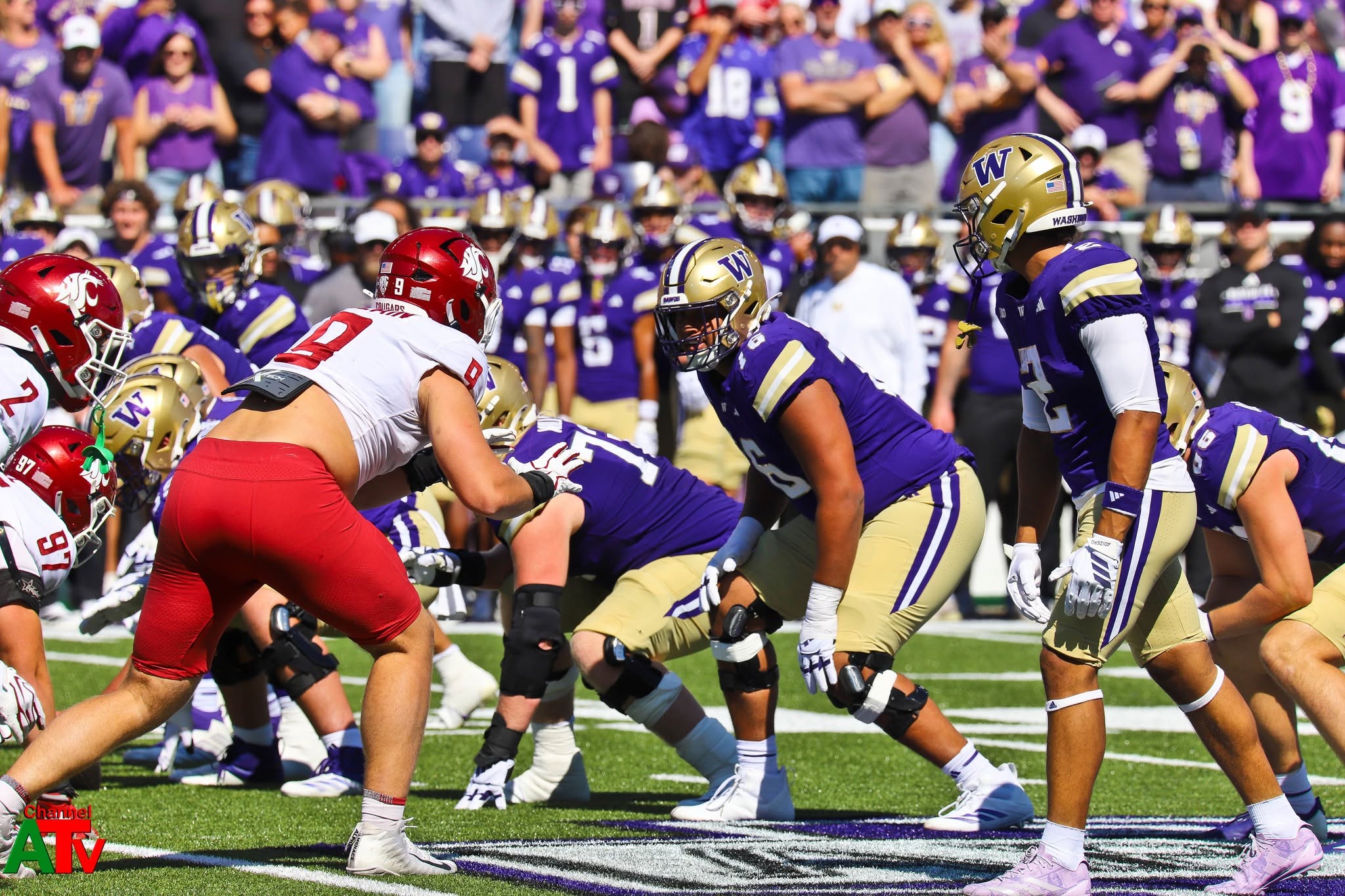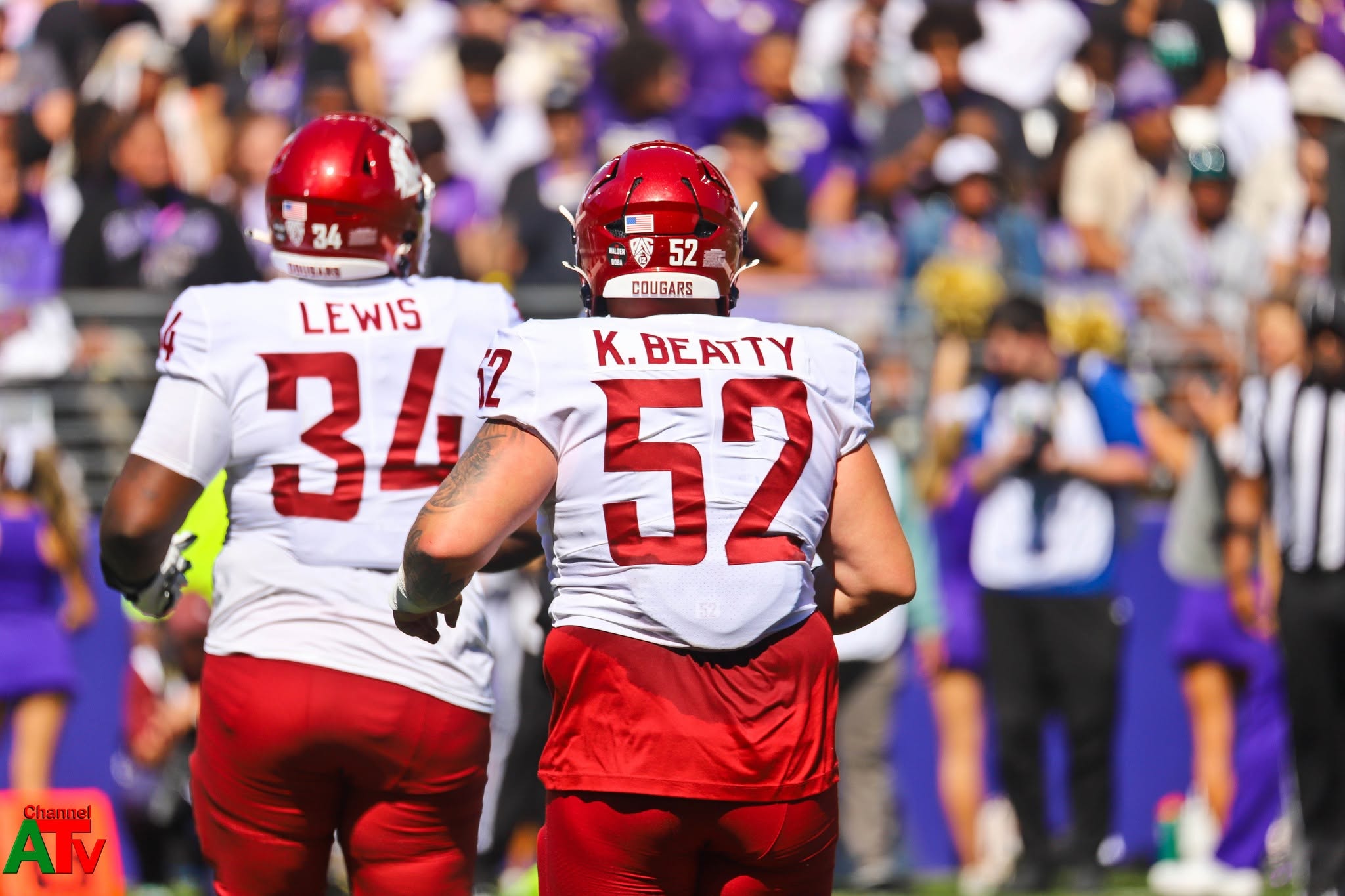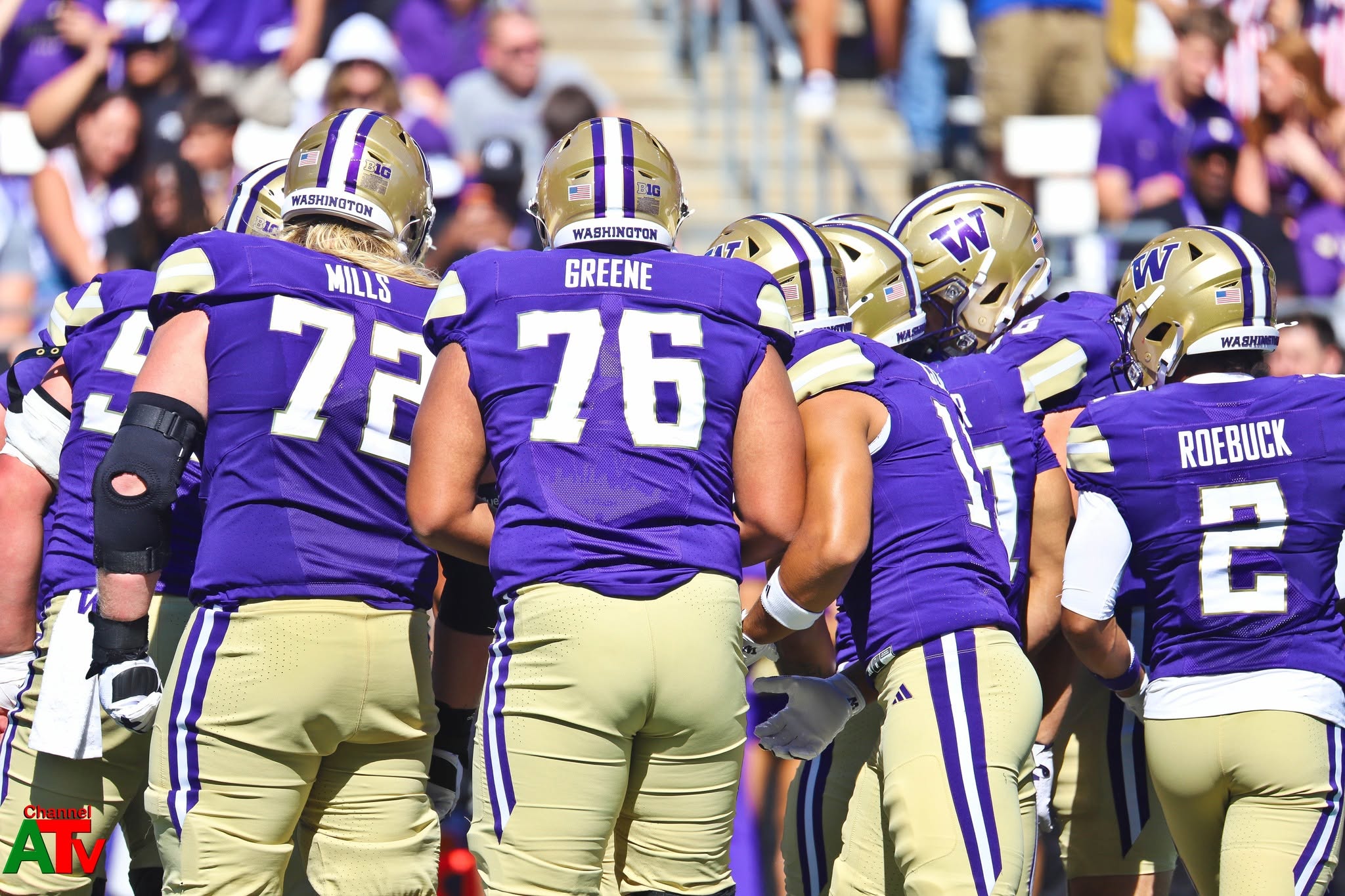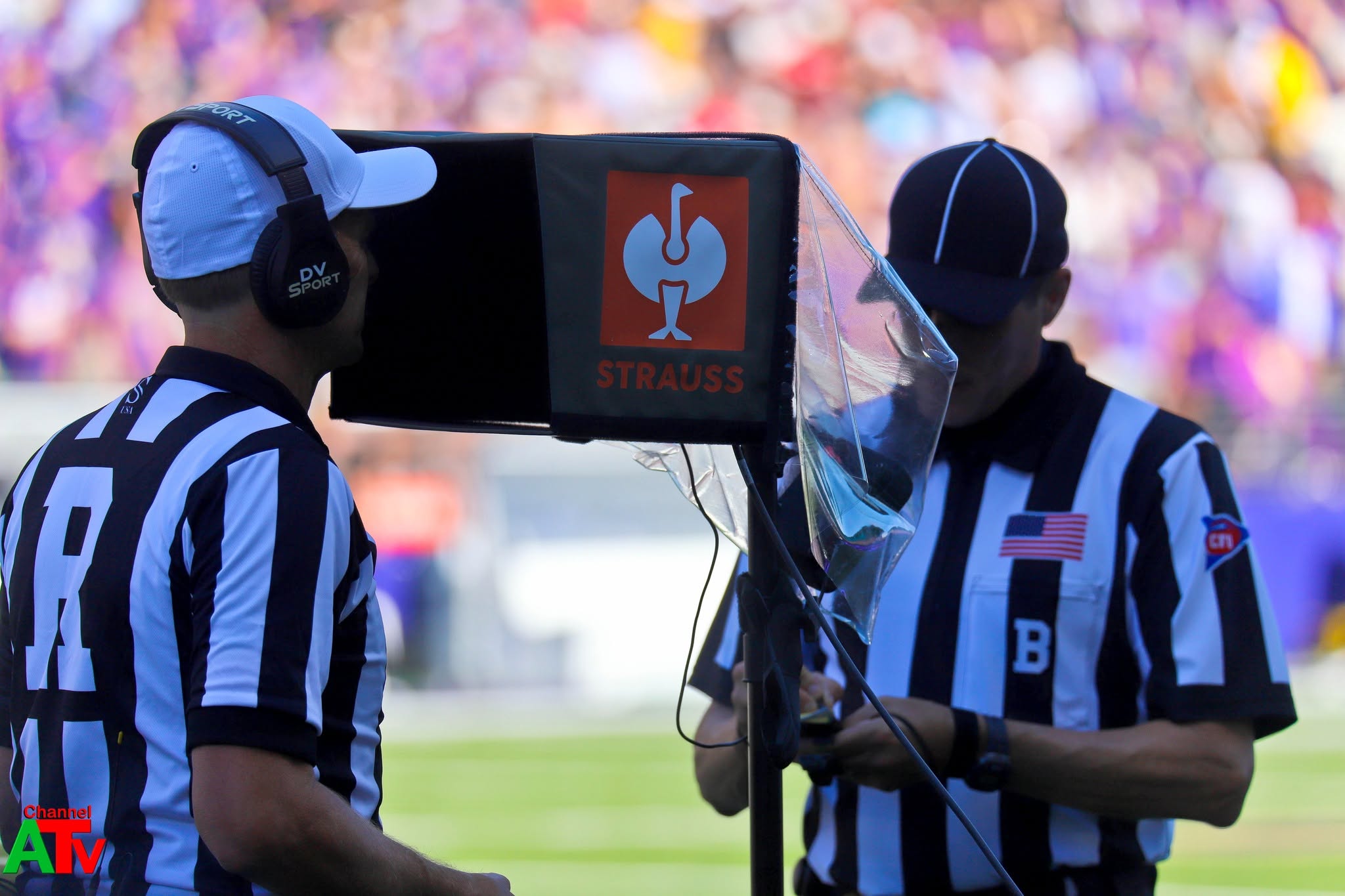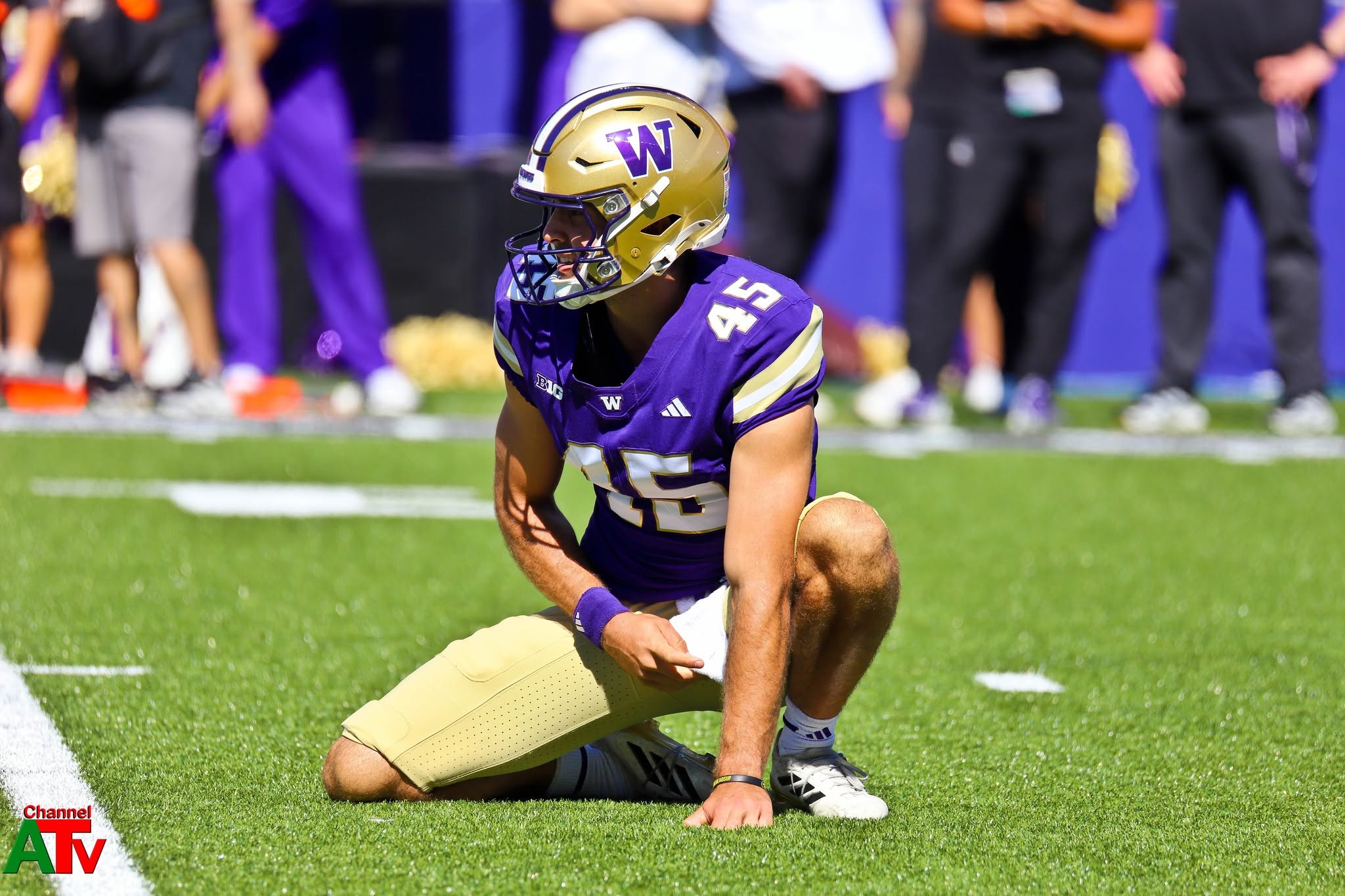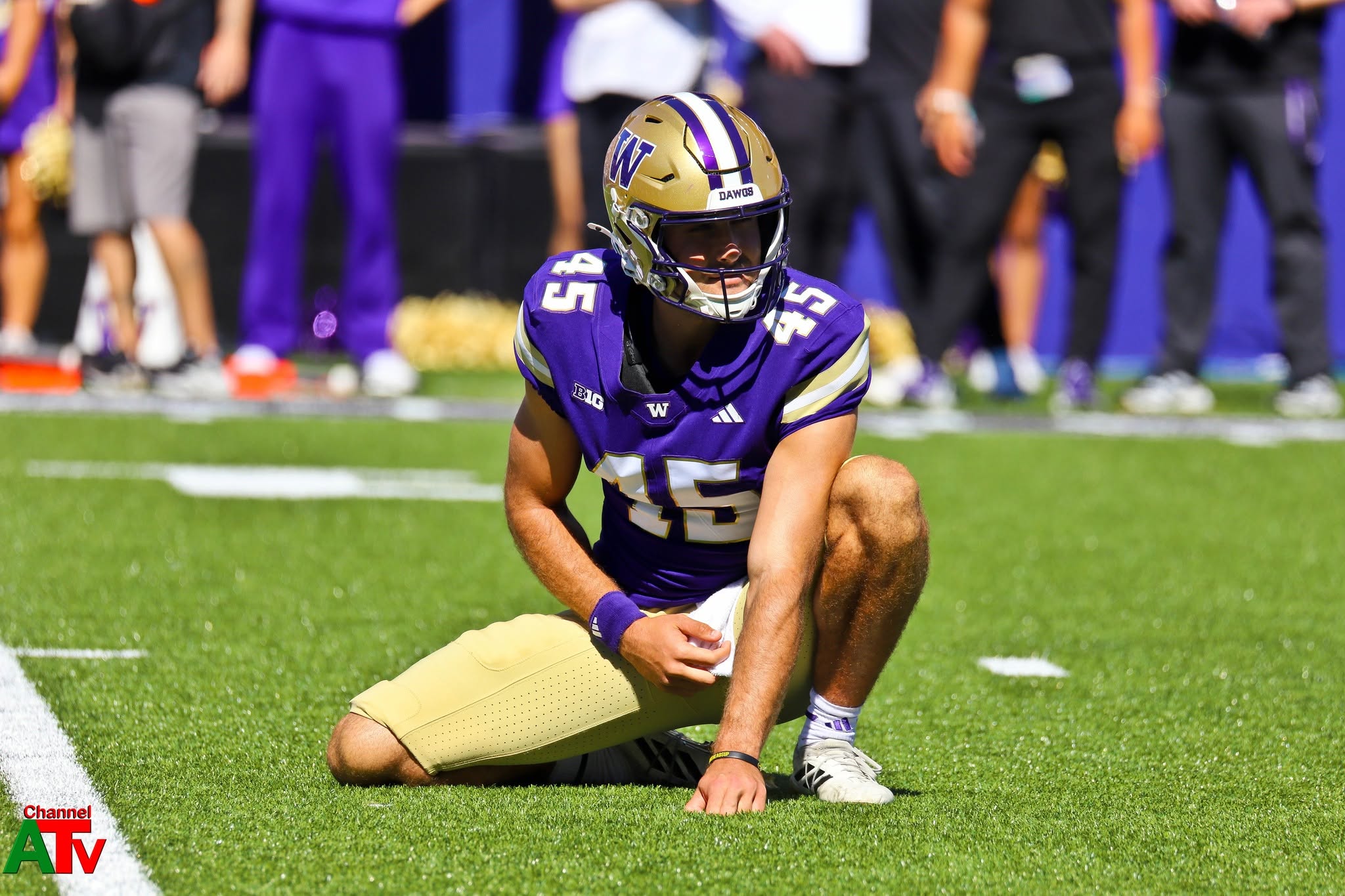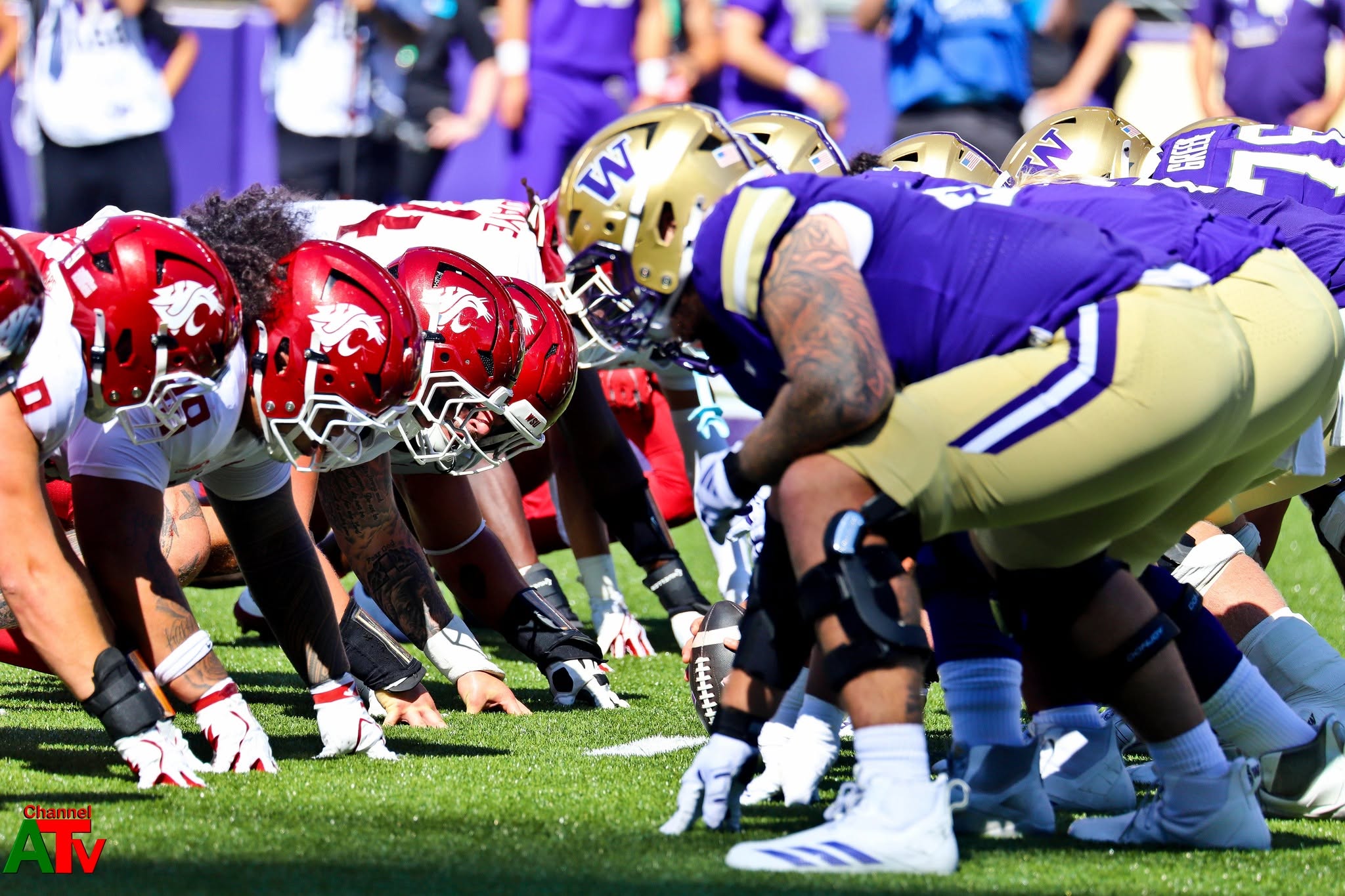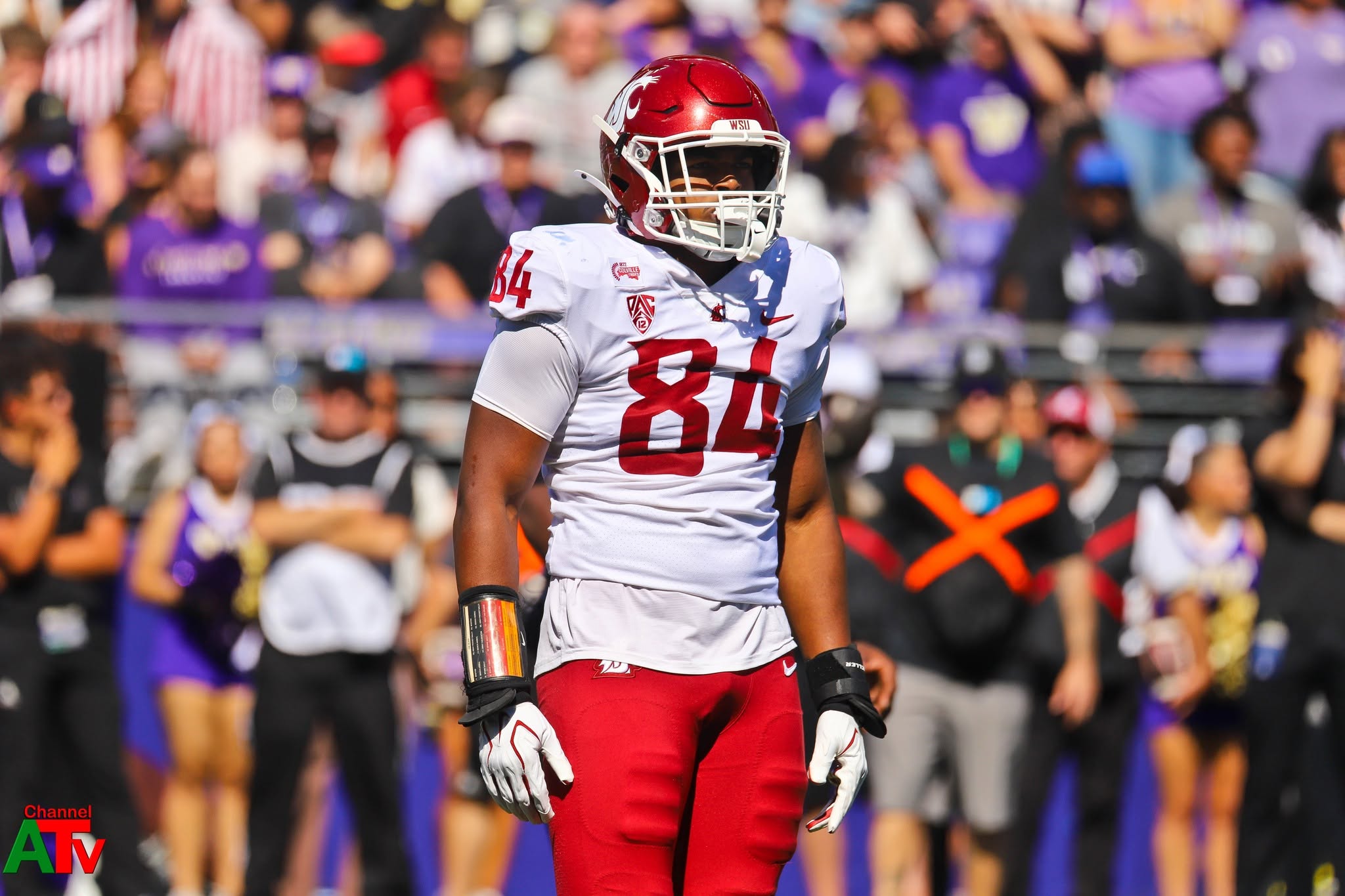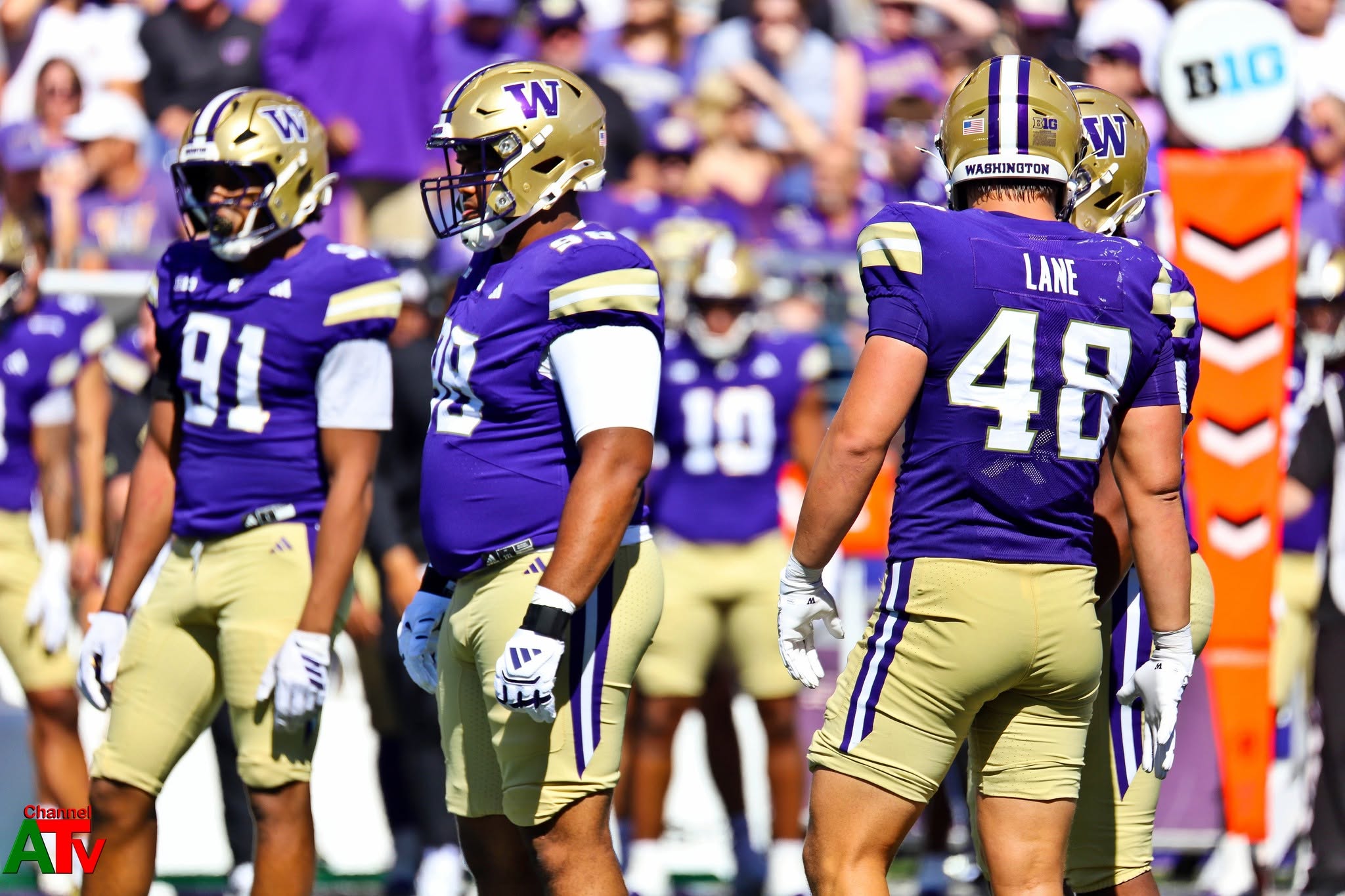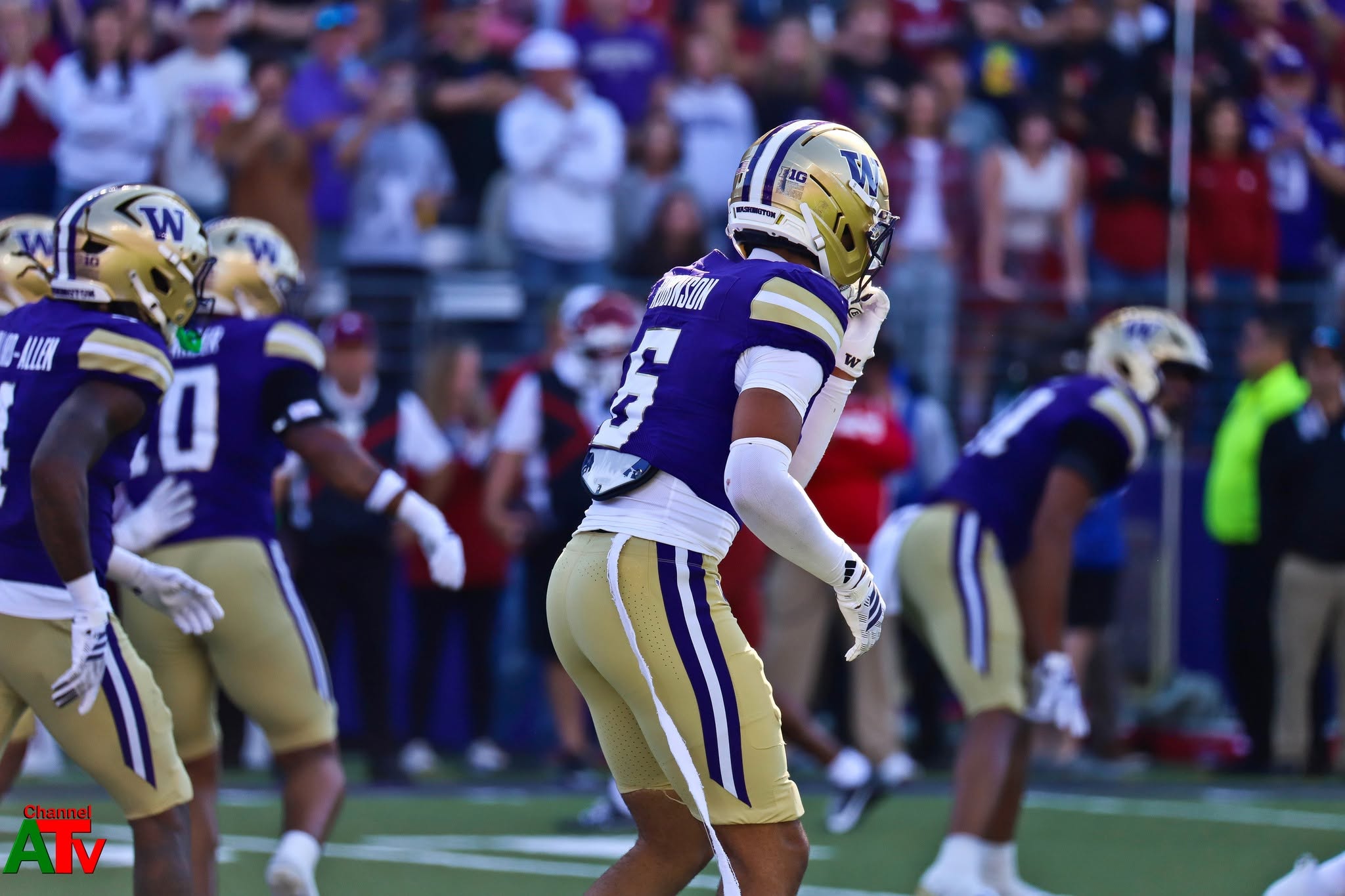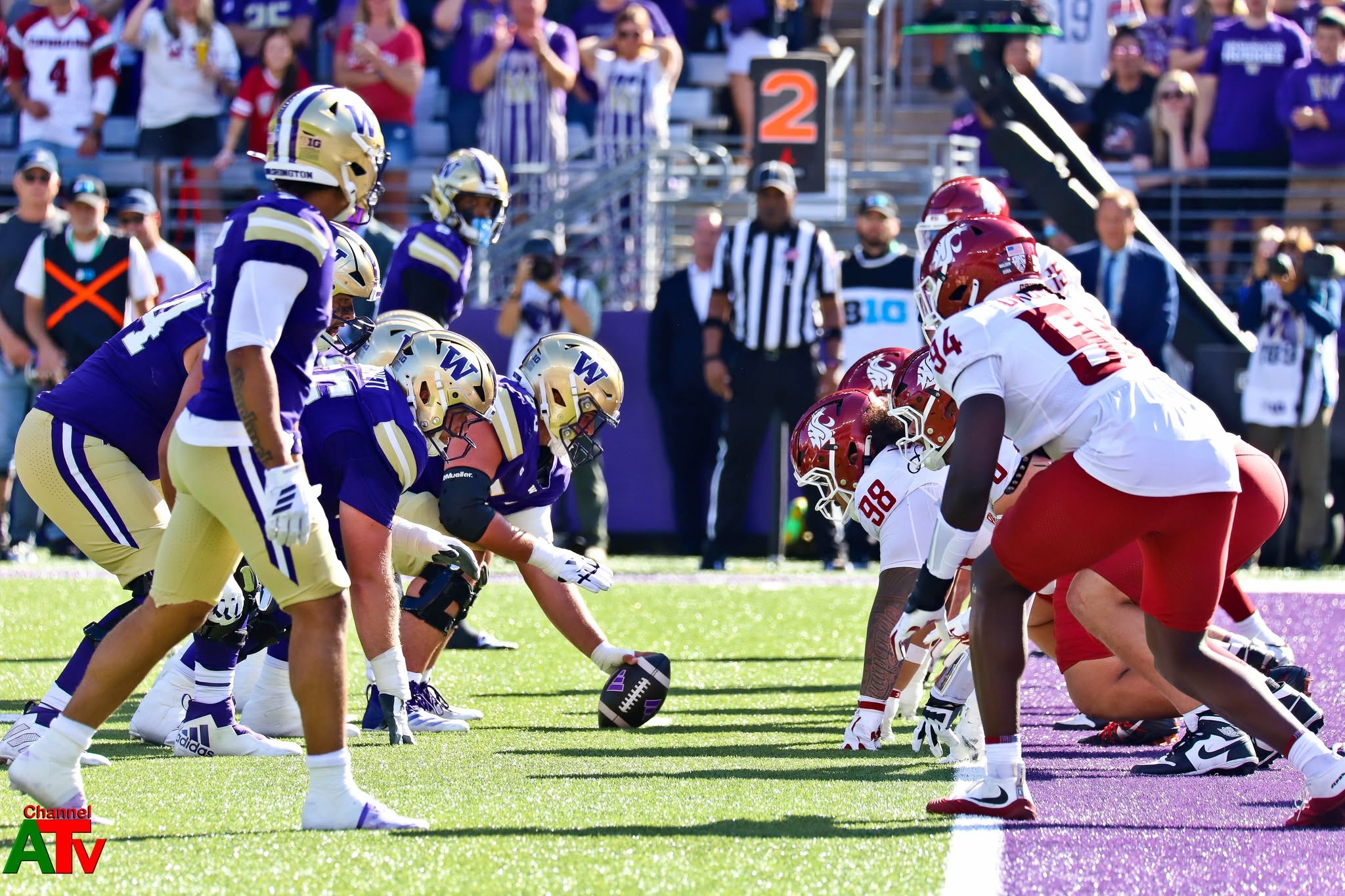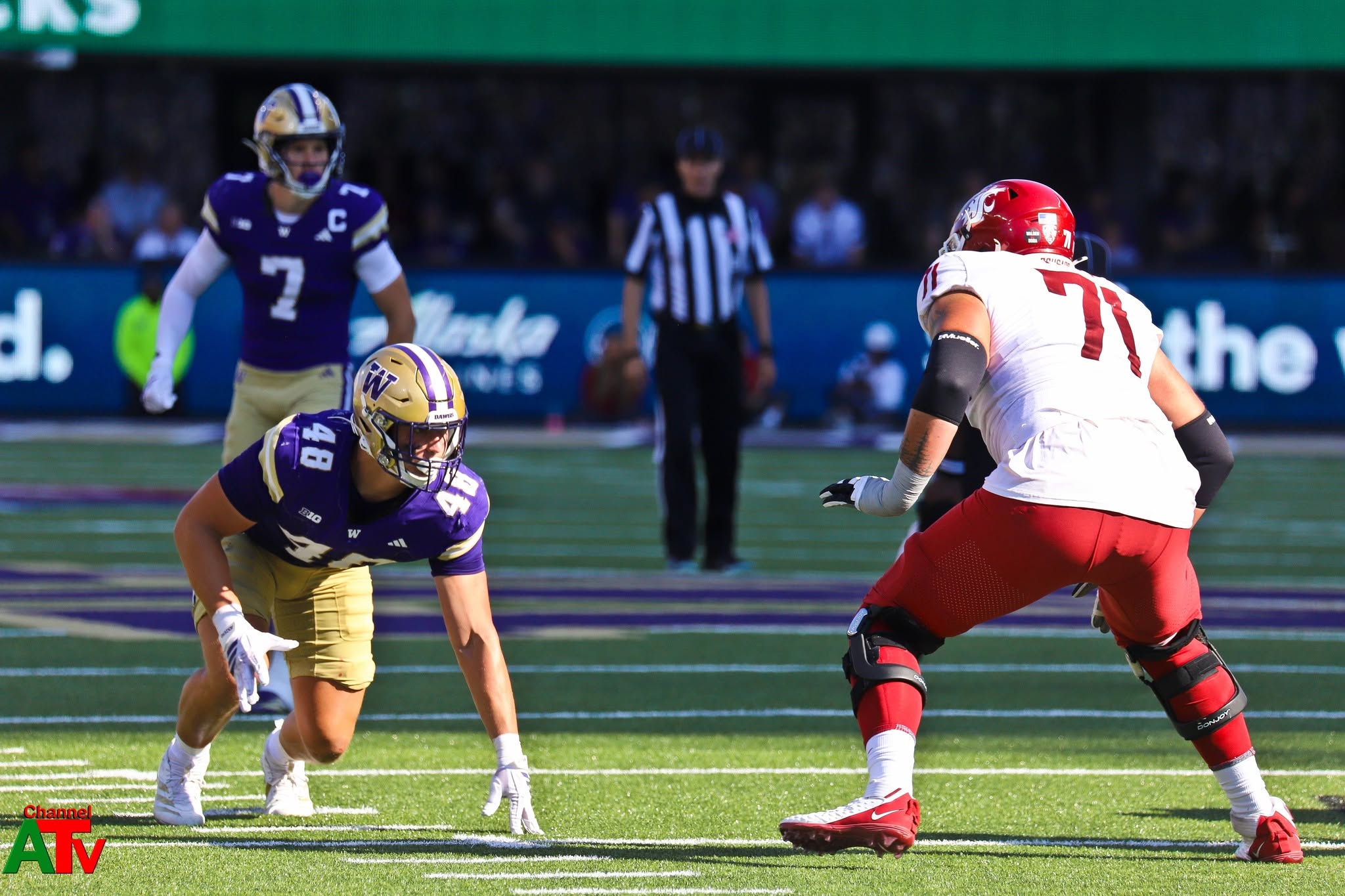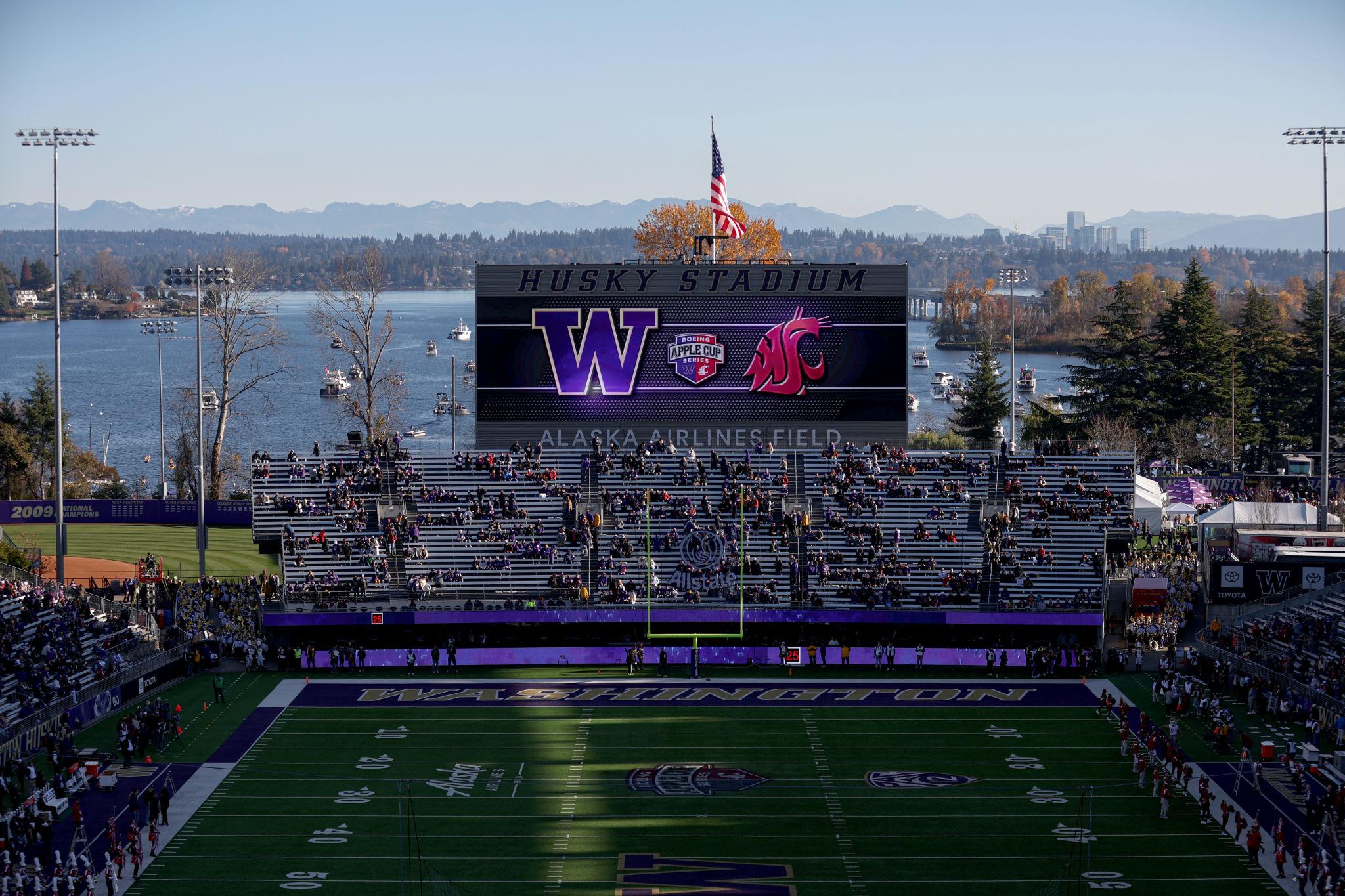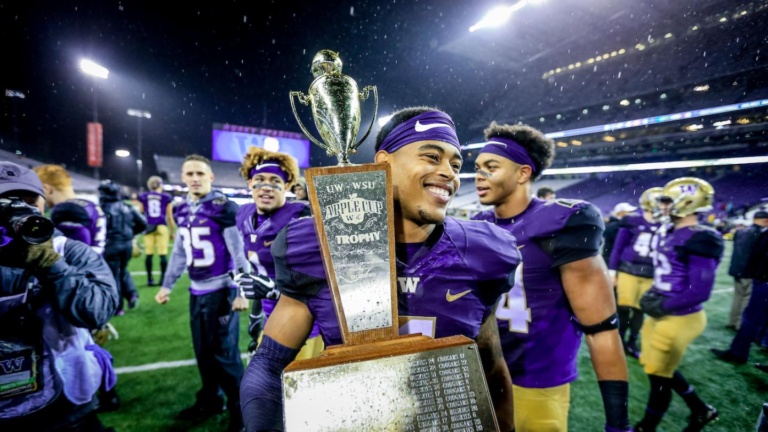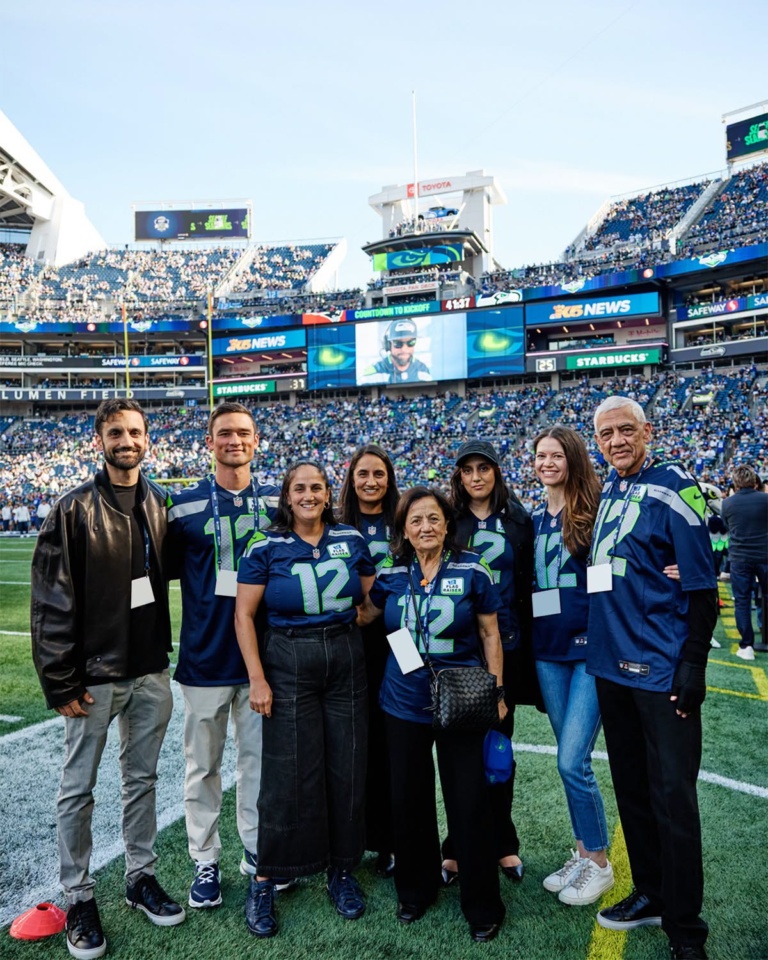
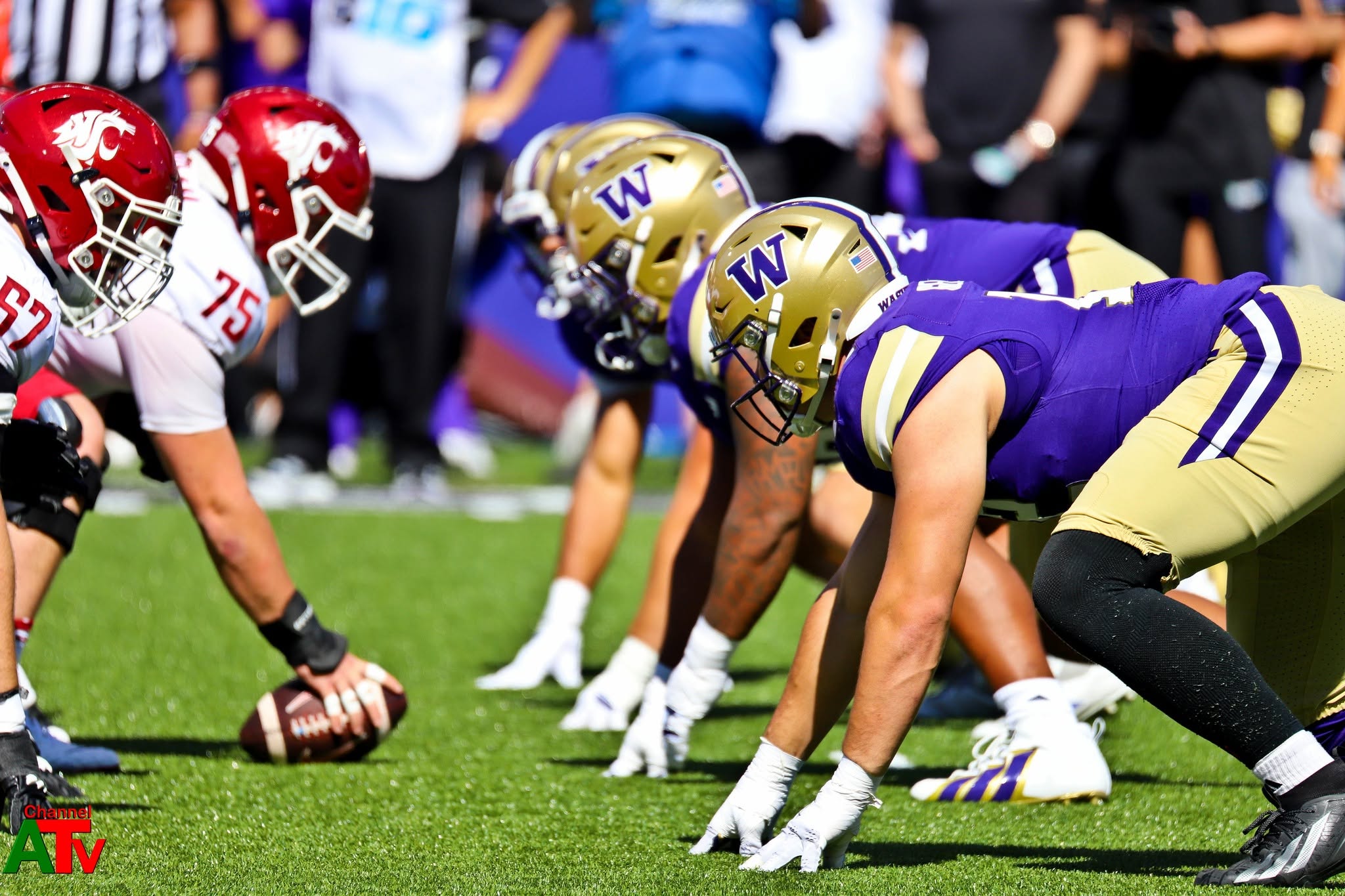
SEATTLE, WA — The tradition, passion and pageantry of one of college football’s oldest rivalries returned to Seattle on September 6, 2026, as the Washington Huskies and Washington State Cougars met at Husky Stadium for the 118th meeting of the Apple Cup.
In a historic twist, the rivalry opened the 2026 college football season for both programs for the first time. The No. 17 Washington Huskies entered the matchup looking to begin their season with a statement victory, while Washington State opened the Kirby Moore era against its in-state rival.
When the final whistle sounded, Washington had secured a 24–10 victory, extending its winning streak in the series to two games.
A Rivalry With More Than a Century of History
The Apple Cup rivalry dates back to November 30, 1900, when Washington and Washington State played to a 5–5 tie in Seattle.
More than 125 years later, the rivalry remains one of the defining sporting traditions in the Pacific Northwest.
The 2026 contest was the 118th meeting between the two programs. Coming into the game, Washington held the historical advantage, and after the victory the Huskies’ all-time record against Washington State stood at 75 wins, 33 losses and six ties, according to Washington’s official series history.
The rivalry did not officially receive the name “Apple Cup” until 1963. Before that, the teams competed for the Governor’s Trophy from 1931 through 1962.
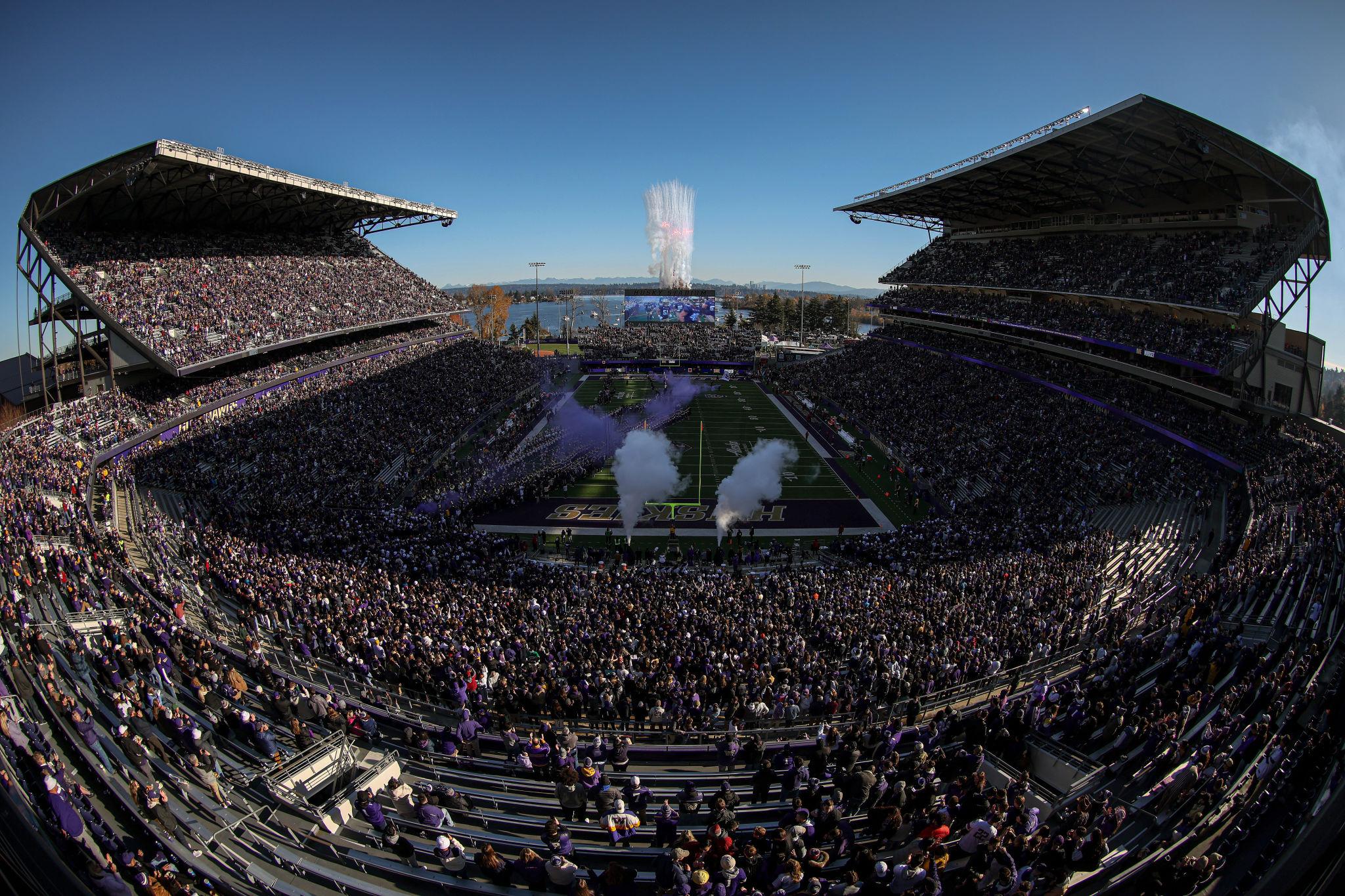
That history was very much present inside Husky Stadium as fans from both sides filled the venue for another chapter in the rivalry.
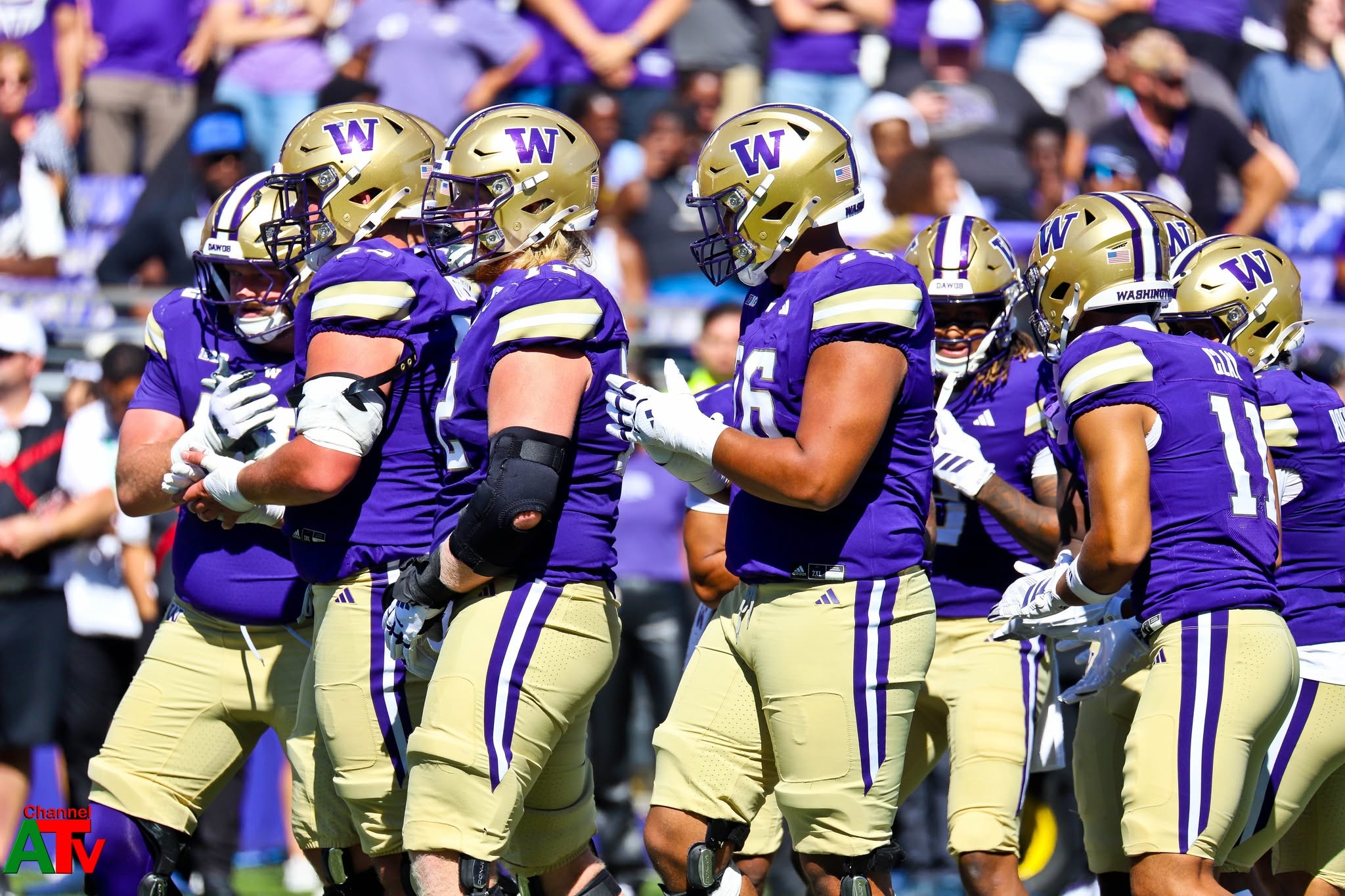
First-Ever Apple Cup as a Season Opener
The 2026 matchup was historic because it marked the first time Washington and Washington State opened their respective seasons against each other.
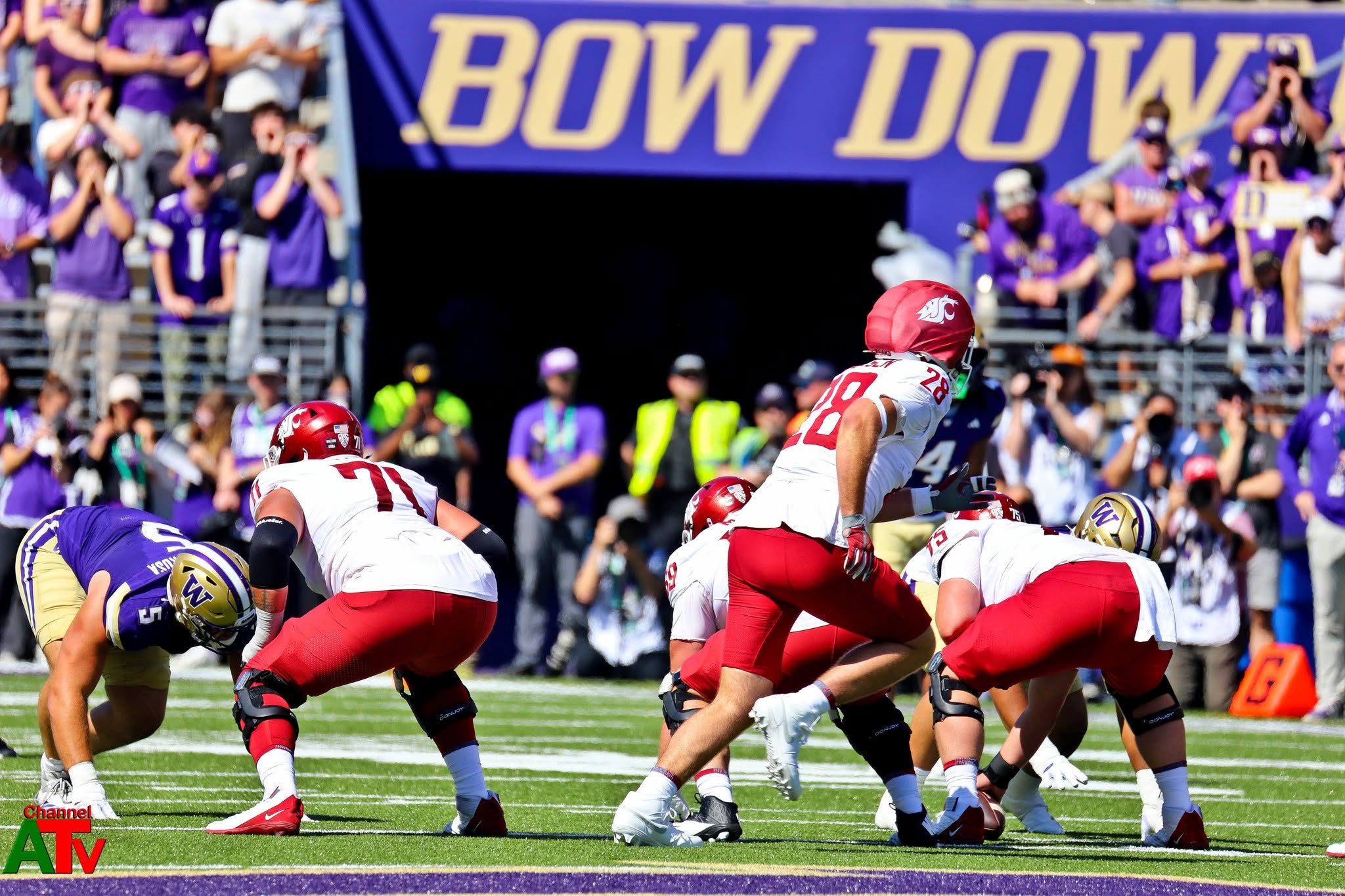
Kickoff came shortly after 1 p.m. at Alaska Airlines Field at Husky Stadium, with Washington entering the game ranked No. 17 nationally.
Washington State was beginning a new era under head coach Kirby Moore, who made his debut as the 36th head coach in Cougars football history. Washington entered its third season under head coach Jedd Fisch.
The Cougars entered the season after a 7–6 campaign in 2025 and a Famous Idaho Potato Bowl victory over Utah State, while Washington was coming off its 2025 season and looking to establish momentum immediately against its rival.
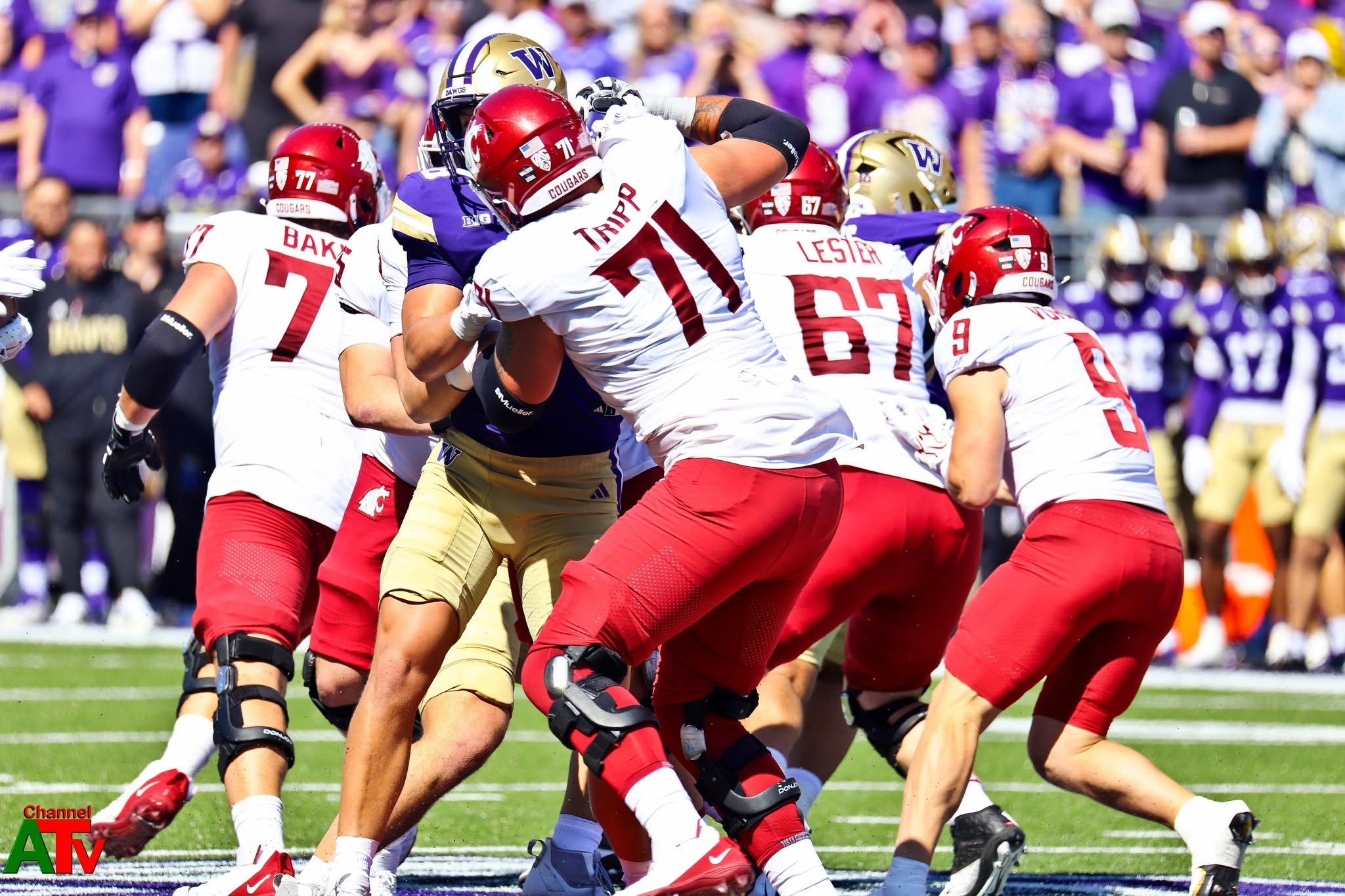
Washington Takes Early Control
The Huskies established control early.
Washington’s Tyler Robles opened the scoring with a 48-yard field goal in the first quarter, giving UW a 3–0 lead.
Washington State’s defense then kept the game within reach, but the Huskies extended their advantage in the second quarter.
Quarterback Demond Williams Jr. scored on a five-yard keeper to put Washington ahead 10–0.
Williams’ performance became one of the defining individual stories of the afternoon. He completed 24 of 35 passes for 268 yards and one touchdown, while also rushing for 61 yards and a touchdown.
The Huskies entered halftime with a 10–0 advantage.
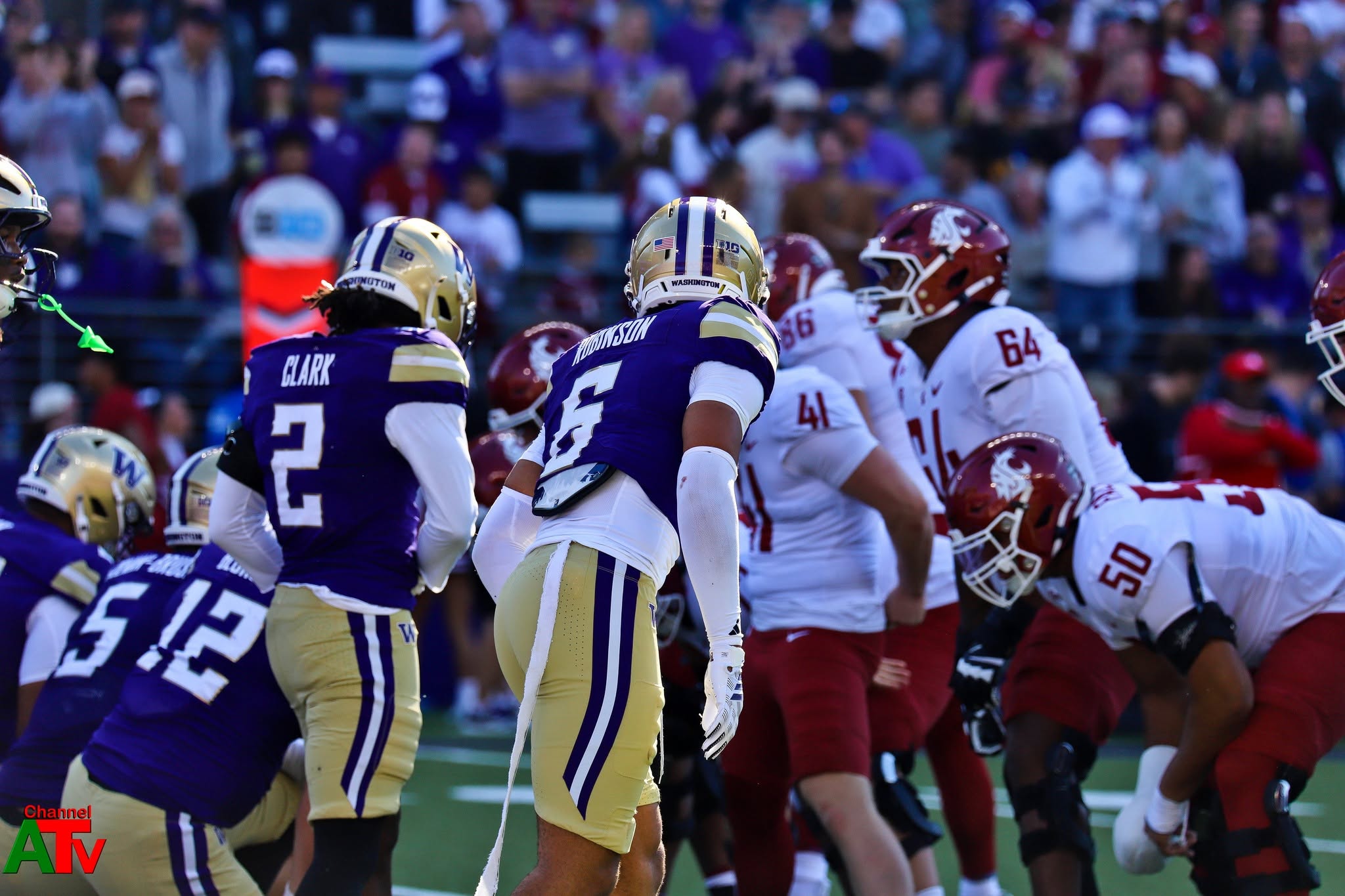
Cougars Fight Back in the Fourth Quarter
Washington State’s offense struggled to produce points through the first three quarters, but the Cougars continued to compete defensively.
The third quarter ended without either team scoring, setting up a dramatic final period.
Washington State finally broke through early in the fourth quarter.
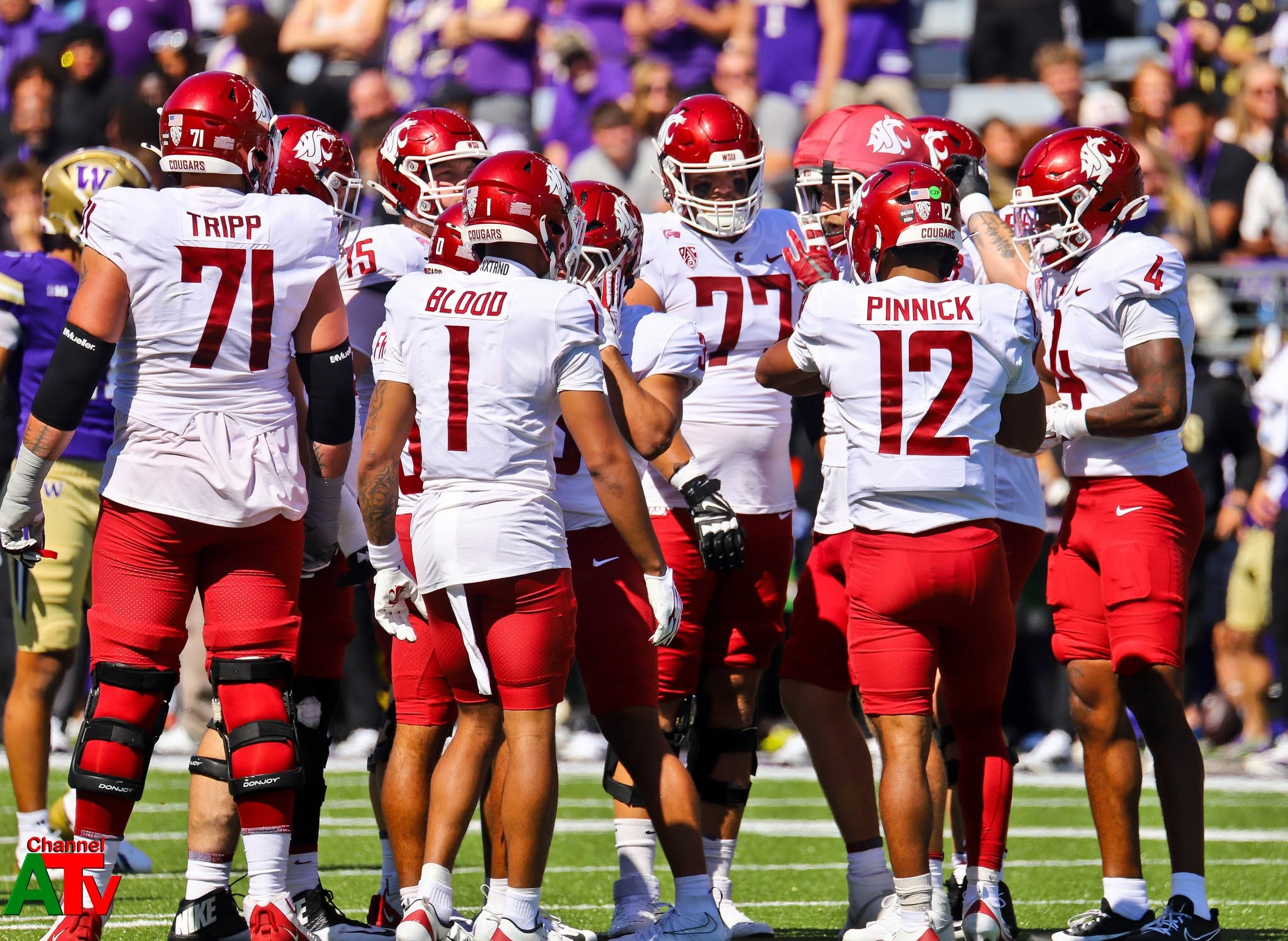
Quarterback Caden Pinnick engineered a nine-play, 62-yard drive before scoring on an 11-yard rushing touchdown. The score, followed by Jack Stevens’ extra point, cut Washington’s lead to 10–7.
The momentum briefly shifted toward the Cougars. But Washington responded.
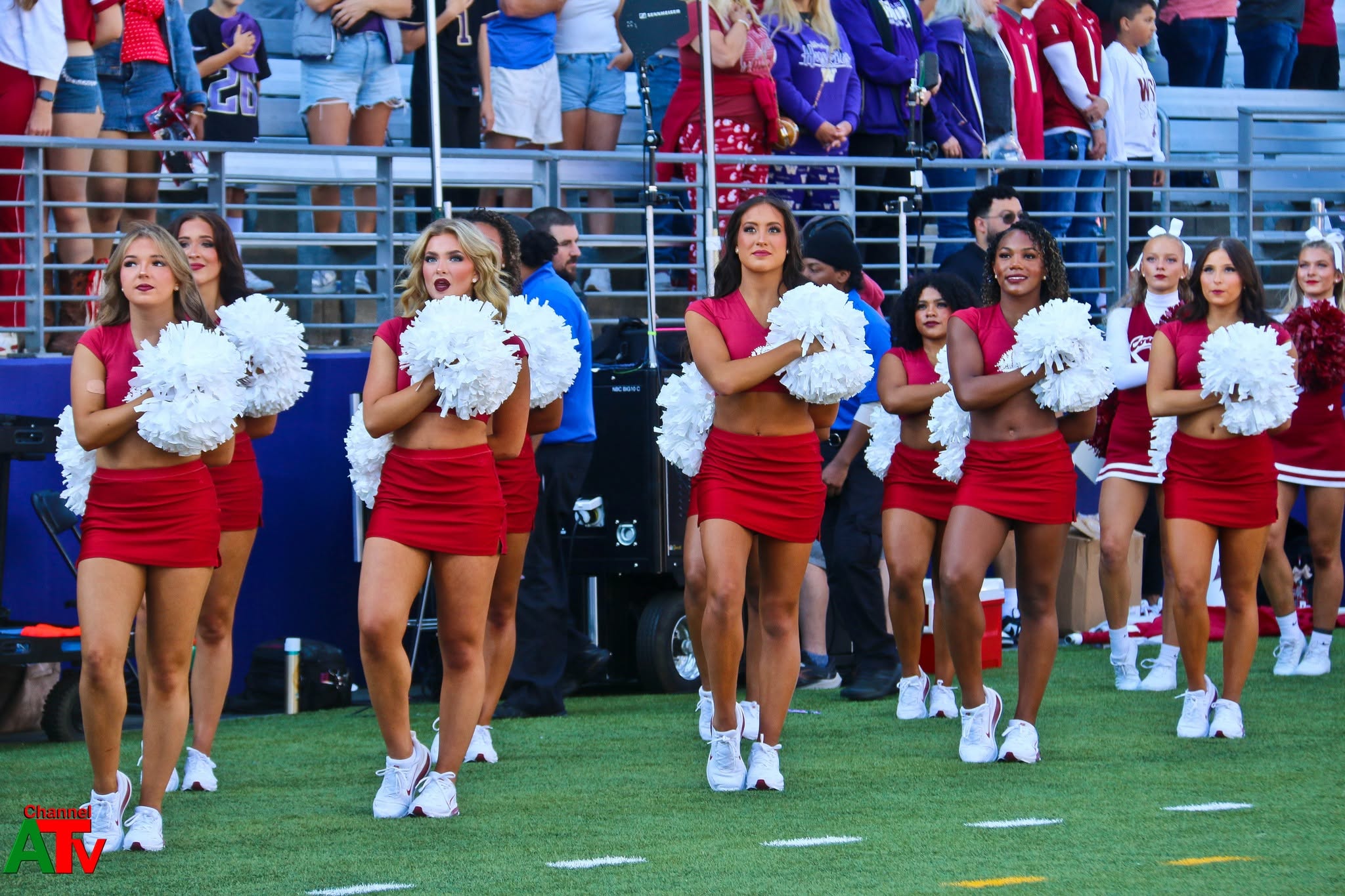
Huskies Answer With Big Plays
Washington quickly answered Washington State’s challenge.
Williams connected with Rashid Williams for a one-yard touchdown reception following a 75-yard drive. The score restored Washington’s seven-point advantage and made it 17–7.
Washington State refused to go away.
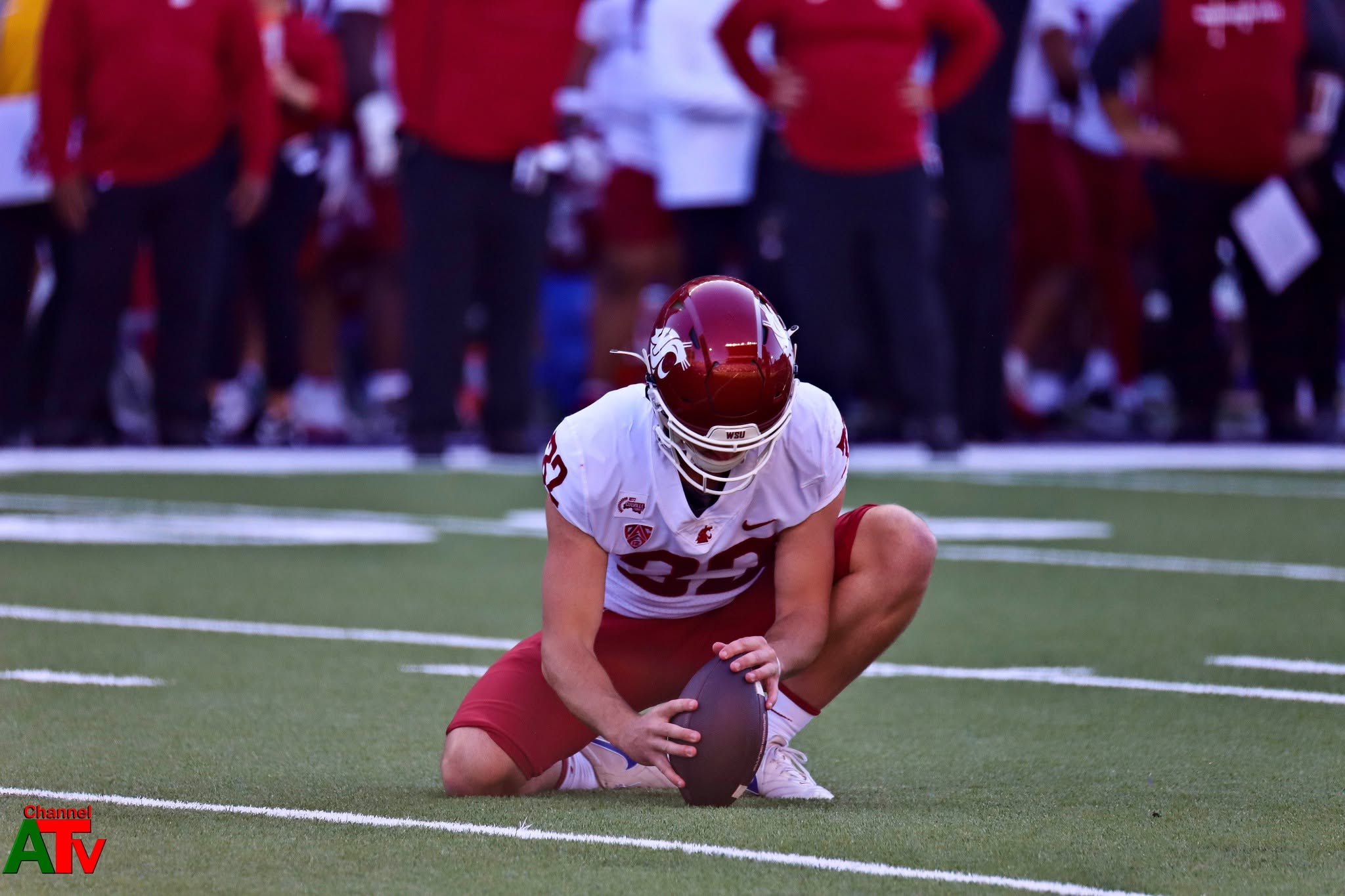
The Cougars put together another scoring drive, and Jack Stevens converted a 42-yard field goal with 4:30 remaining to make the score 17–10.
With the game still within one possession, Washington needed another response.
The Huskies delivered.
Jayden Limar finished a 68-yard Washington drive with an 11-yard touchdown run with 2:18 remaining, pushing the score to 24–10 and effectively putting the game out of reach.
Washington State’s final possession ended with an interception, allowing the Huskies to close out the Apple Cup victory.
Washington’s Offense Wins the Statistical Battle
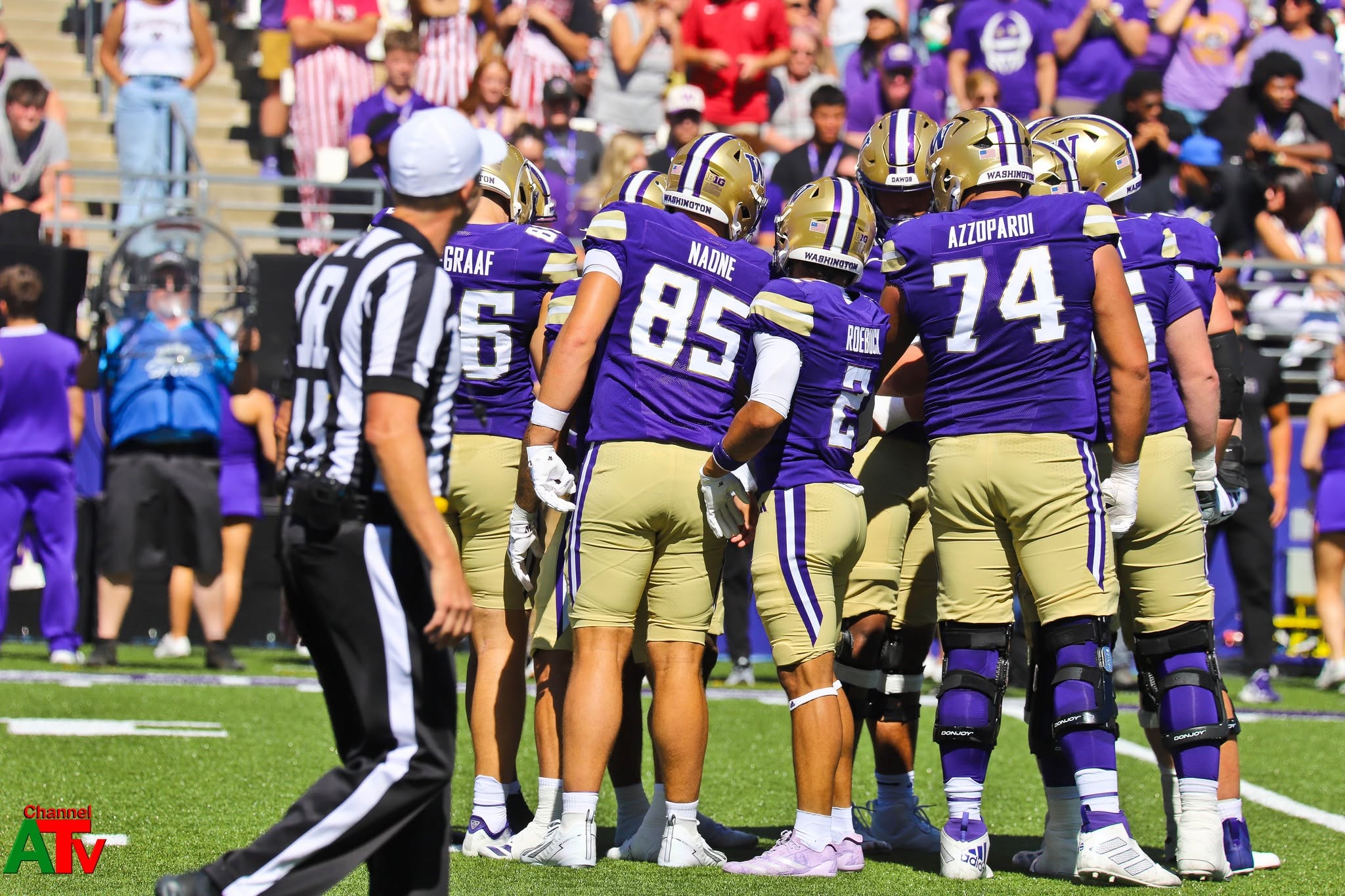
The final statistics showed Washington’s advantage in total offensive production.
| Category | Washington | Washington State |
|---|---|---|
| Final Score | 24 | 10 |
| Total Yards | 402 | 242 |
| Passing Yards | 268 | 142 |
| Rushing Yards | 134 | 100 |
| First Downs | 20 | 18 |
| Third Down | 4-of-12 | 0-of-9 |
| Turnovers | 0 | 3 |
| Time of Possession | 29:16 | 30:44 |
Washington ran 64 offensive plays for 402 yards, while Washington State recorded 242 yards on 56 plays.
One of the most notable differences was turnovers. Washington State committed three turnovers, while Washington did not turn the ball over.
Huskies Defense Creates Three Turnovers
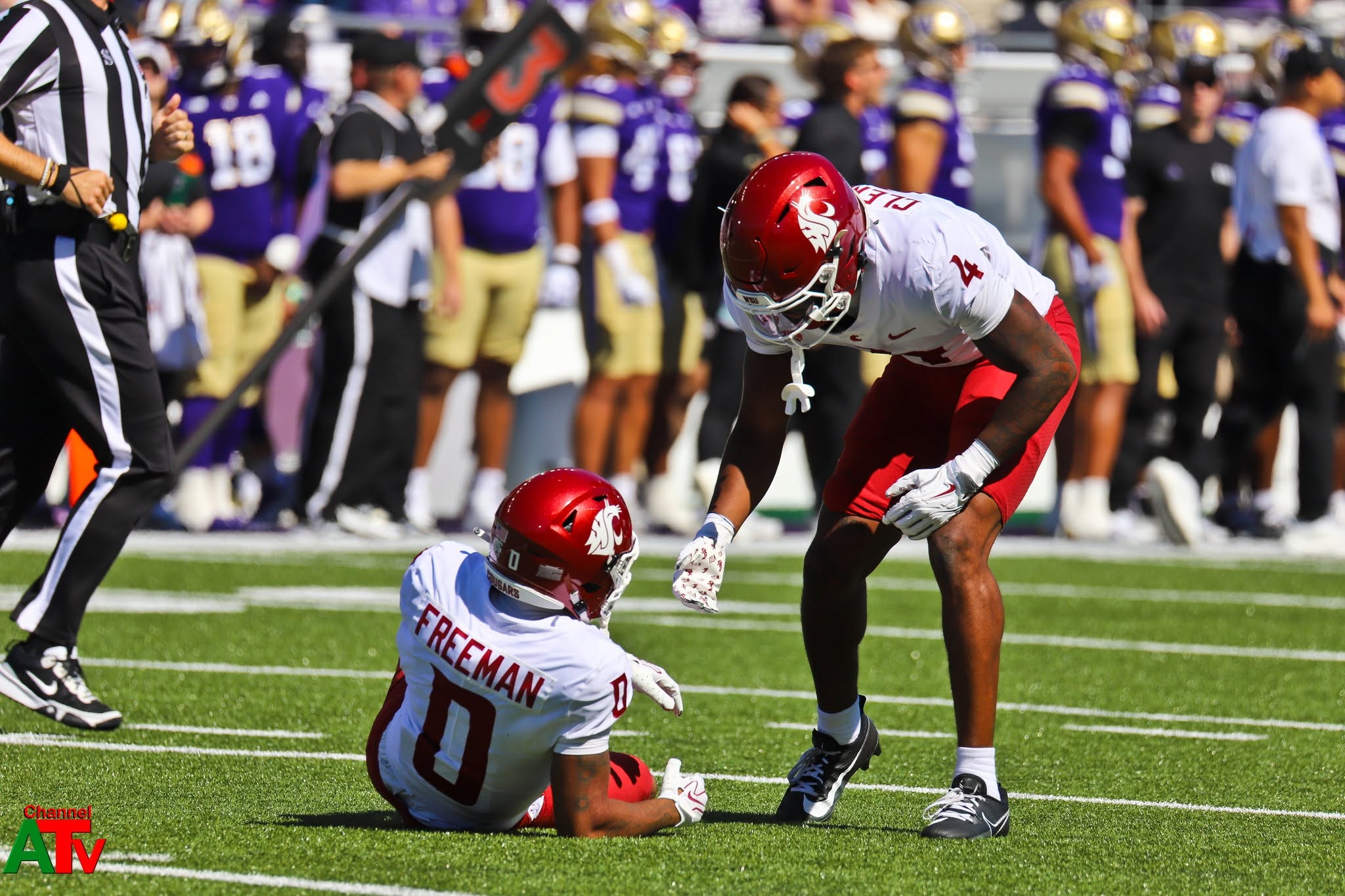
Washington’s defense played a significant role in keeping the Cougars off the scoreboard.
Jeron Jones intercepted Pinnick in the second quarter, giving Washington an opportunity deep in Washington State territory. Jones returned the interception eight yards to the WSU 21-yard line.
Later, Isaiah Ward recovered a Washington State fumble.
Washington added another interception late in the fourth quarter when Alex McLaughlin picked off Pinnick, ending Washington State’s final opportunity to mount a comeback.
The three turnovers were particularly important in a game where Washington State’s defense kept the score relatively close for much of the afternoon.
Caden Pinnick Leads the Cougars
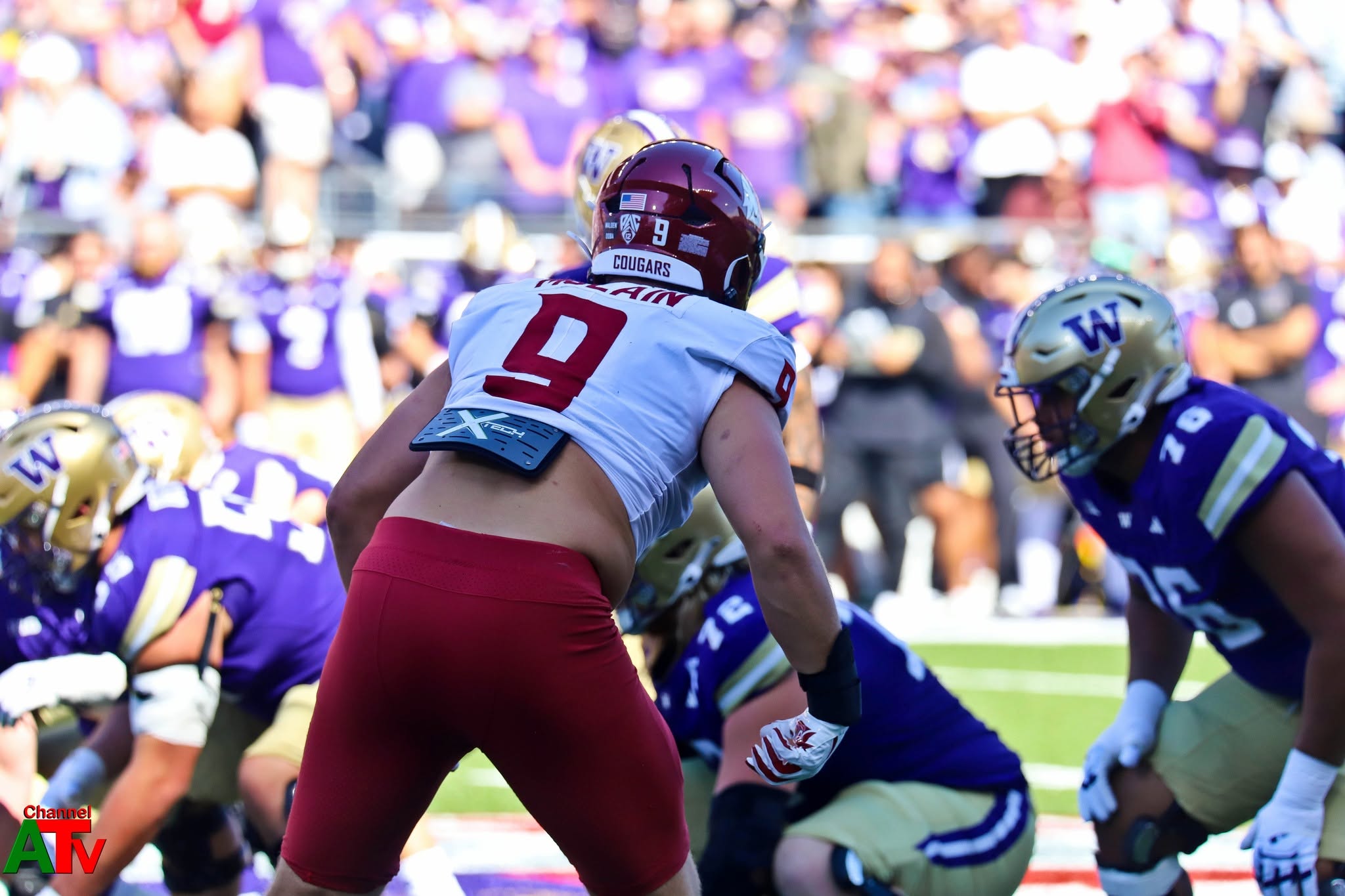
Despite the loss, Washington State quarterback Caden Pinnick provided several bright spots for the Cougars.
Pinnick completed 16 of 25 passes for 142 yards, while also leading Washington State in rushing with 61 yards and a touchdown on 14 carries.
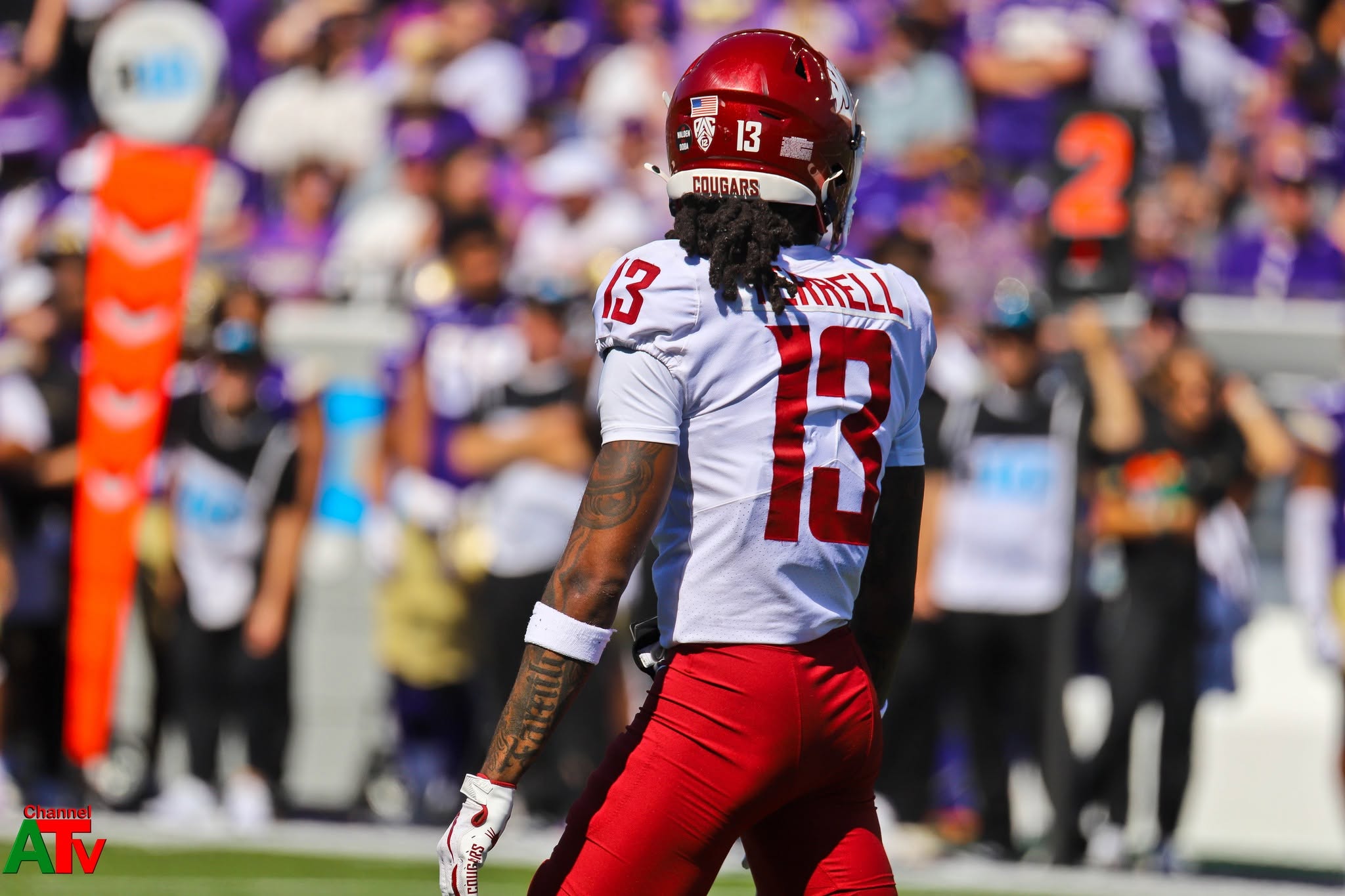
Wide receiver Daniel Blood led the Cougars with five receptions for 57 yards, including a 32-yard reception during Washington State’s third-quarter drive.
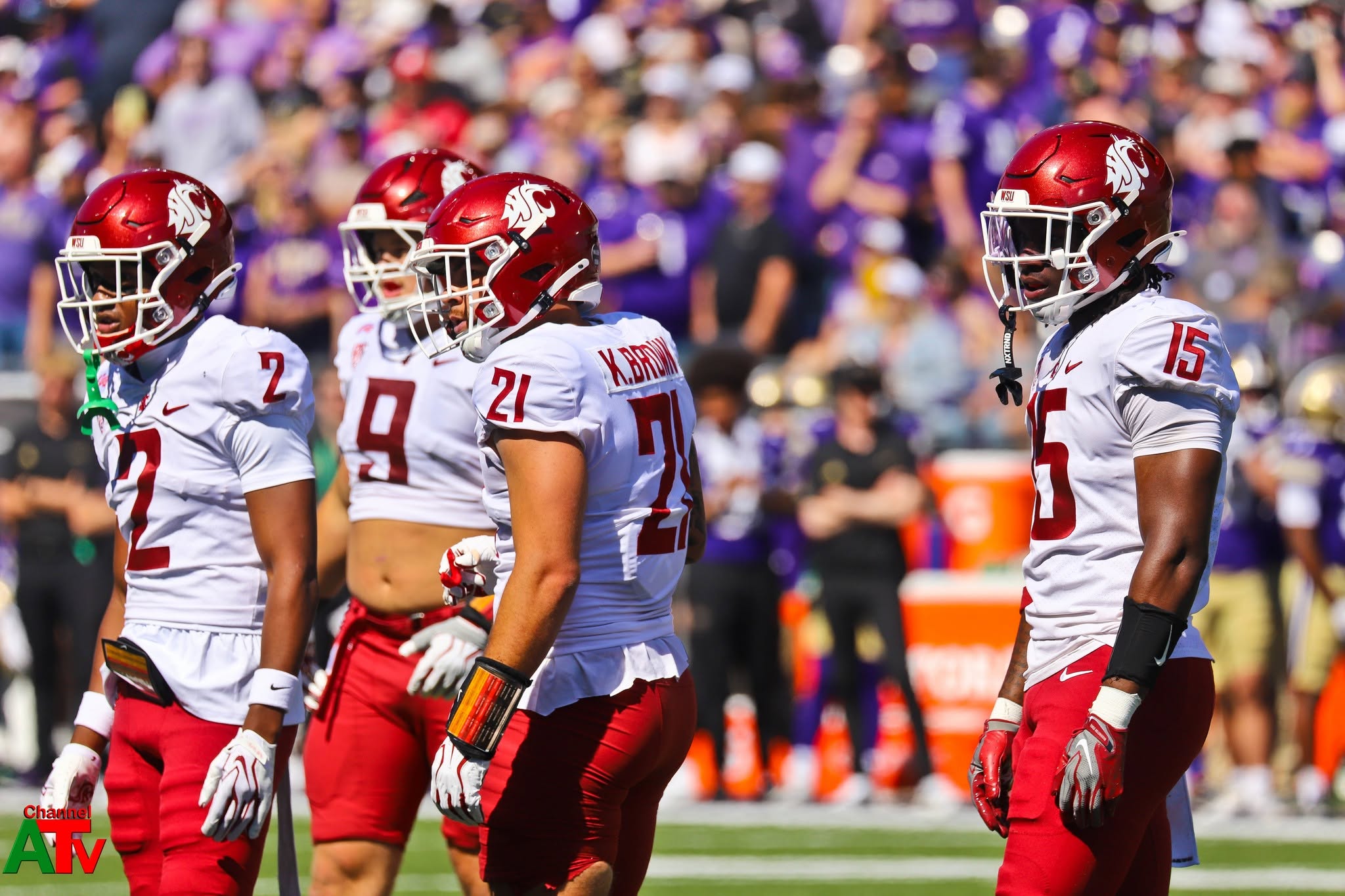
Defensively, Keith Brown led Washington State with six tackles.
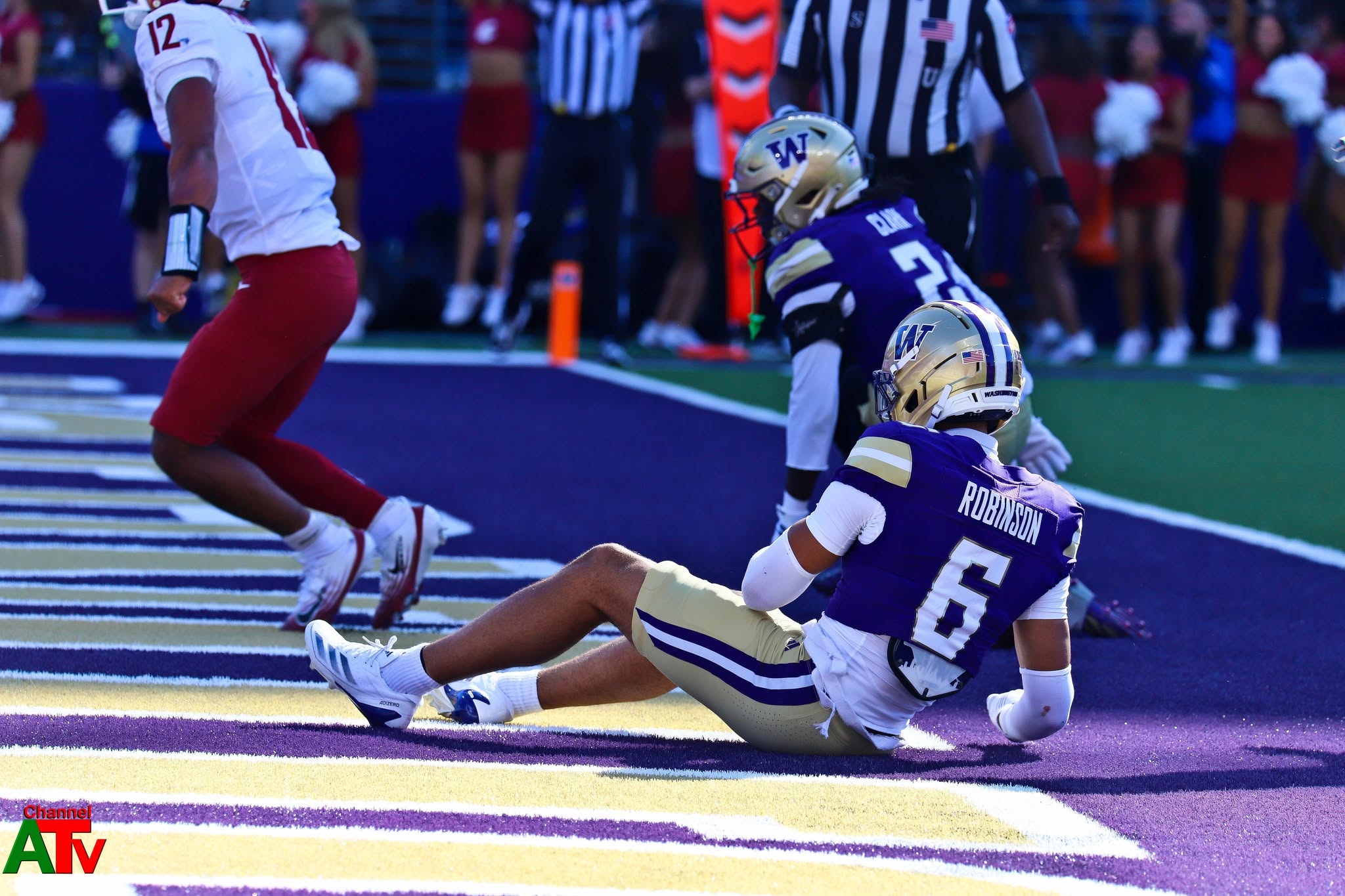
The Cougars’ defense also produced several important stops, including a goal-line stand at the end of the first half that prevented Washington from adding to its lead.
Demond Williams Jr. Leads Washington
For Washington, Demond Williams Jr. was at the center of the offensive attack.
His 268 passing yards represented the majority of Washington’s passing production, while his 61 rushing yards made him the Huskies’ leading rusher.
Chris Lawson led Washington’s receiving corps with 87 receiving yards.
The combination of Williams’ passing and rushing ability gave Washington multiple ways to move the football and helped the Huskies finish with 402 total yards.
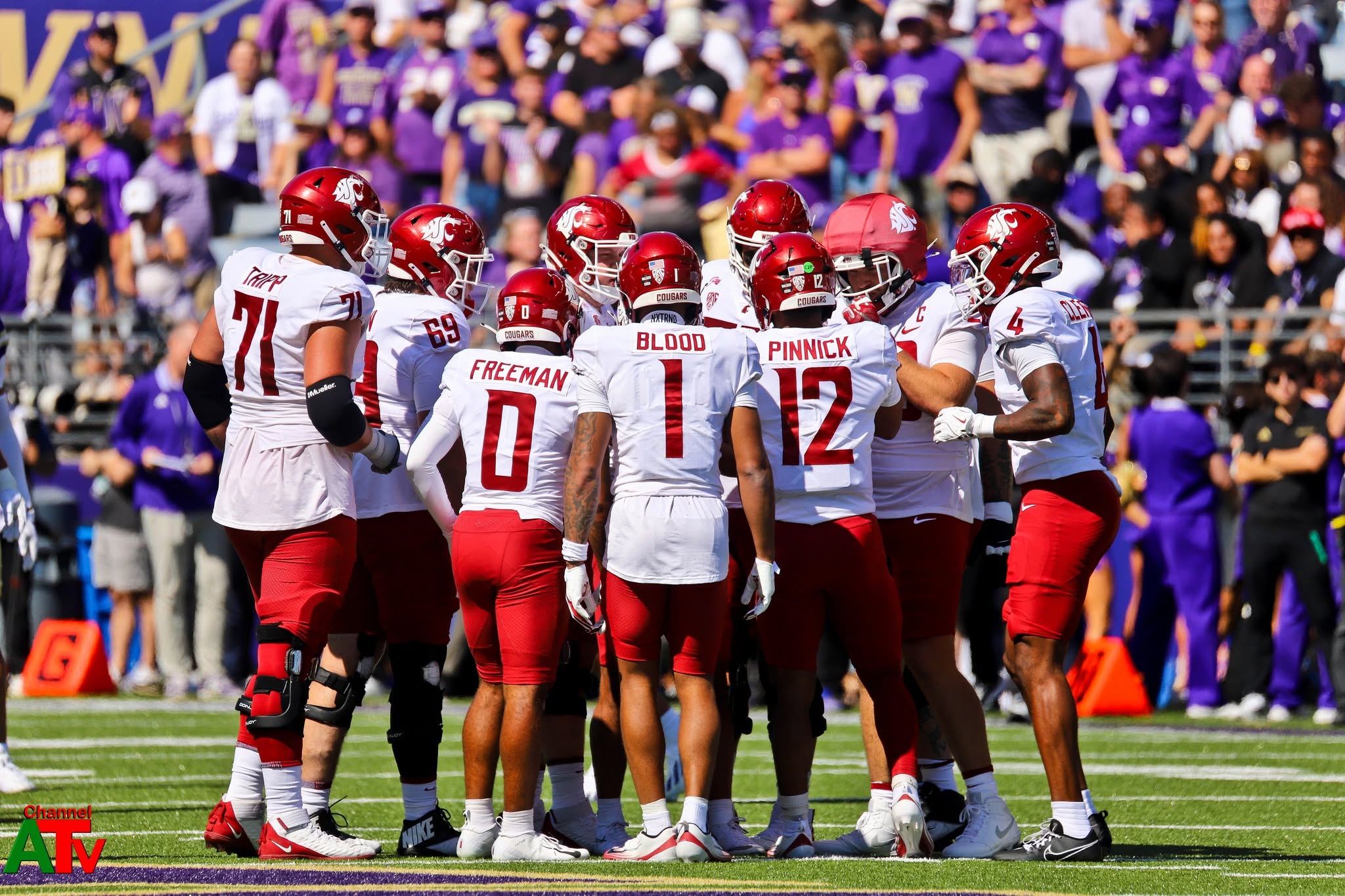
A Crowd of More Than 71,000
The atmosphere at Husky Stadium reflected the significance of the rivalry.
Official attendance for the 2026 Apple Cup was 71,056, with kickoff taking place under sunny conditions and temperatures around 71 degrees.
For fans, the Apple Cup represents more than a football game. It brings together alumni, students, families and supporters from communities throughout Washington and the Pacific Northwest.
The colors may be different, but the passion surrounding the rivalry remains deeply connected to the region.
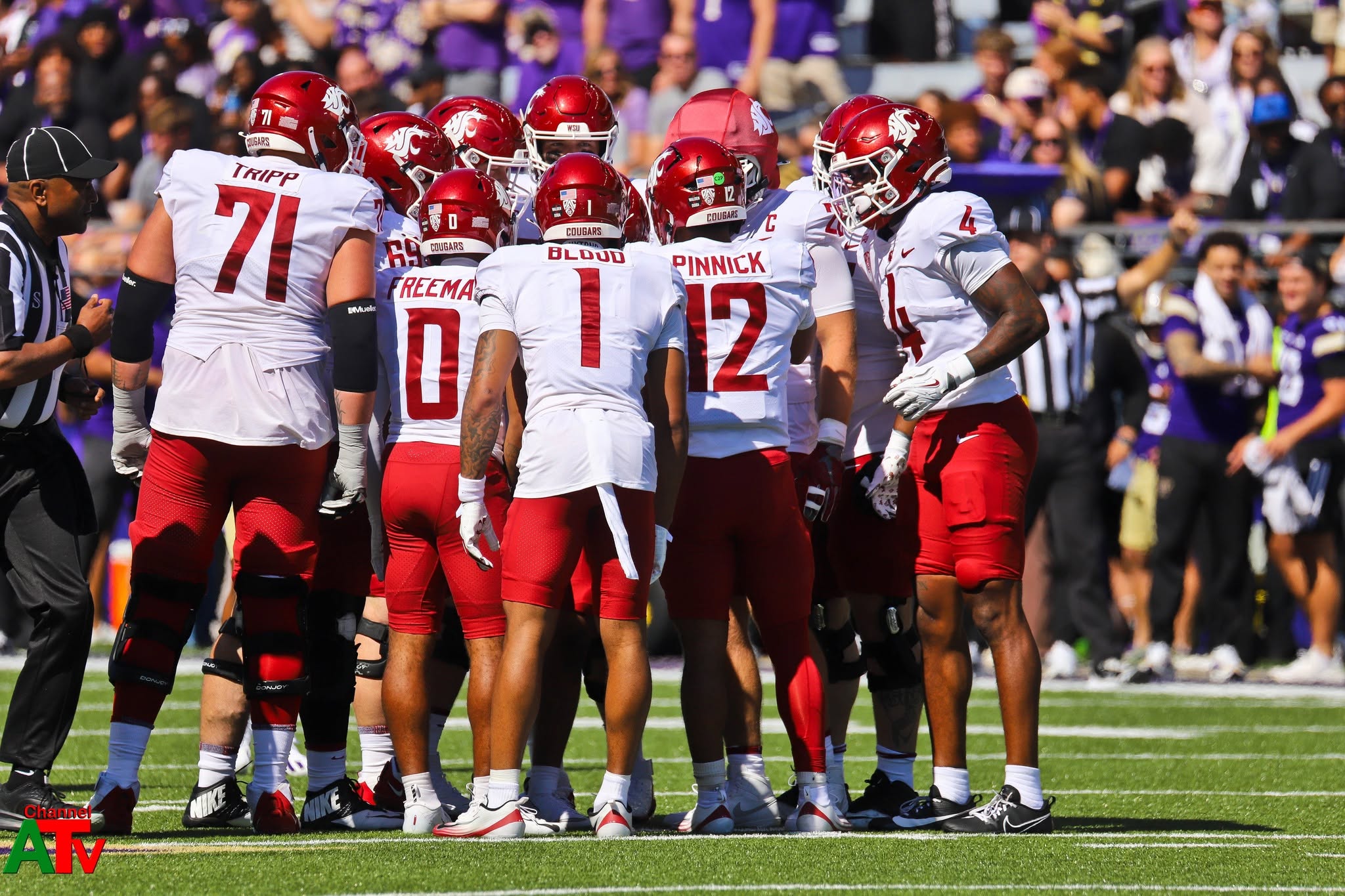
Continuing a Recent Back-and-Forth
The 2026 Apple Cup added another chapter to a series that has produced several memorable results in recent years.
Washington defeated Washington State 59–24 in Pullman in 2025.
Washington State won the 2024 meeting 24–19 at Lumen Field.
Washington won the 2023 matchup 24–21 at Husky Stadium, while Washington State won 40–13 in Seattle in 2021.
With the 2026 victory, Washington has now won the last two meetings.
What the Apple Cup Means to Washington
The Apple Cup continues to occupy a unique place in Washington’s sports culture.
It is a rivalry that crosses geographic boundaries—from Seattle to Pullman and communities throughout the state. Generations of families have experienced the rivalry from opposite sides, while many fans have grown up with the game as an annual tradition.
The 2026 game was particularly significant because it introduced a new chapter for both programs.
For Washington, it was the beginning of another season under Jedd Fisch and an opportunity to start the campaign with a ranked victory.
For Washington State, it was the beginning of the Kirby Moore era and a chance to establish a new identity against one of the program’s oldest rivals.
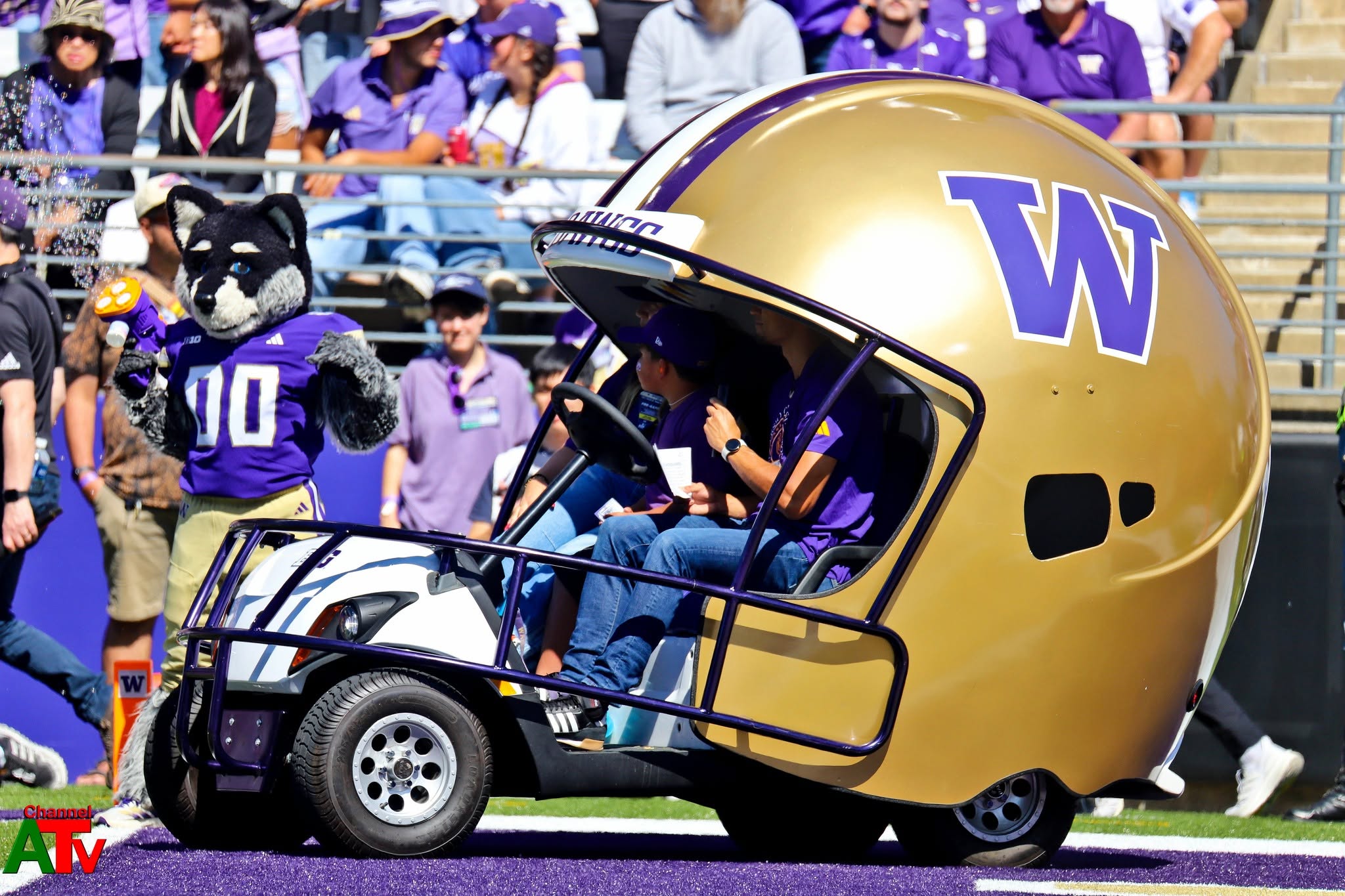
Channel A TV at the Apple Cup
For Channel A TV, covering the Apple Cup is about capturing more than the final score.
From the energy outside the stadium to the fans arriving in Husky colors and Cougar colors, from the marching bands and tailgates to the action on the field, the Apple Cup provides a unique look at the culture of college football in the Pacific Northwest.
Channel A TV’s coverage highlights the people behind the event—the fans, families, students, athletes, media professionals and communities that make Washington sports part of the region’s identity.
The 2026 Apple Cup provided another opportunity to document that tradition.
And when the afternoon ended at Husky Stadium, the scoreboard told the story:
Washington 24, Washington State 10.
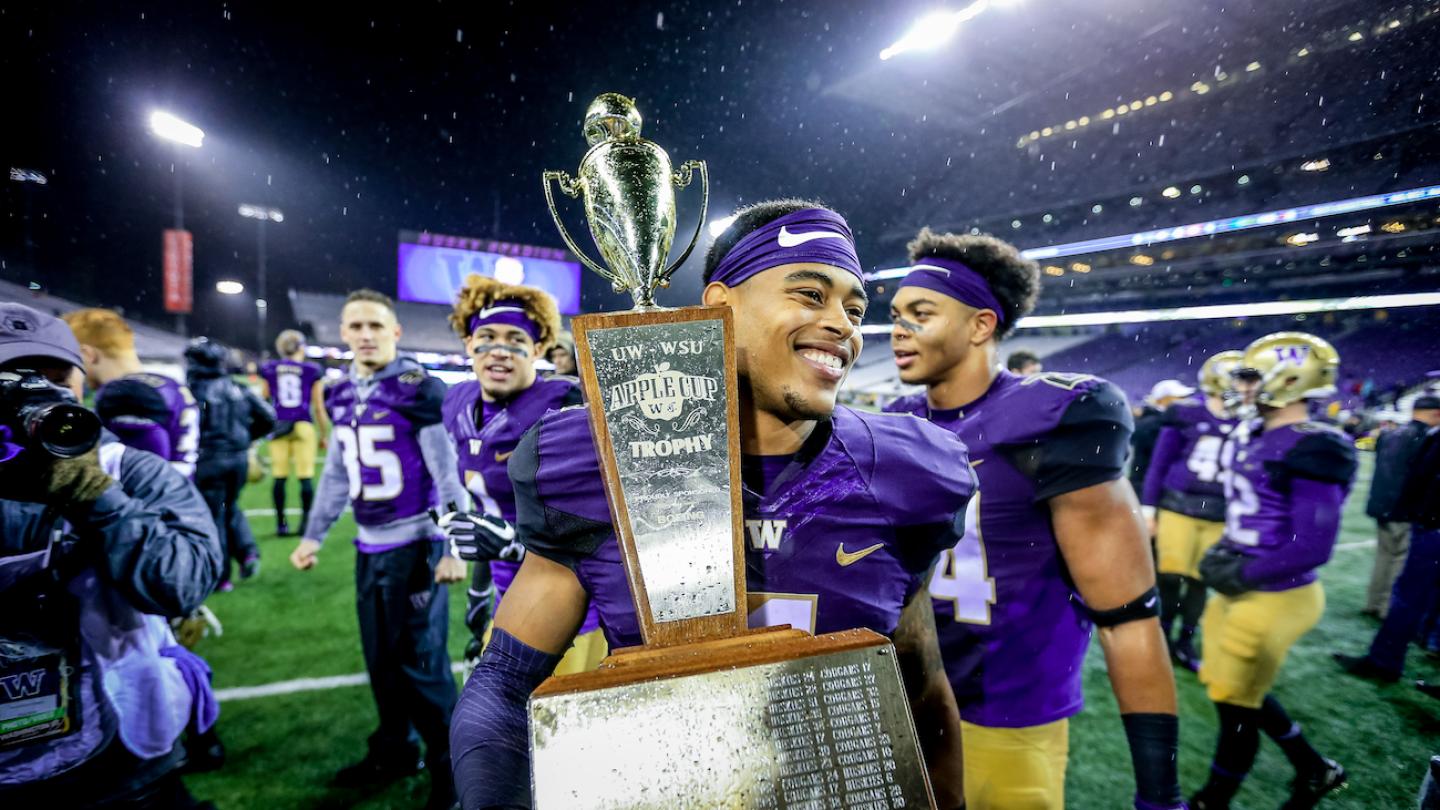
The Huskies left the field with the Apple Cup, while both programs turned their attention toward the remainder of the 2026 season.
But for one Sunday in September, the spotlight belonged to one of college football’s oldest rivalries.
The Apple Cup was back in Seattle—and another chapter had been written.
Channel A TV
Channel A TV continues to bring audiences closer to the sports, people, events and stories shaping the Pacific Northwest and communities around the world.
#ChannelATV #AppleCup2026 #AppleCup #WashingtonHuskies #GoHuskies #WashingtonState #WSUCougars #UWFootball #CollegeFootball #HuskyStadium #SeattleSports #PacificNorthwest #Seattle #Pullman #BoeingAppleCup